

Sommaire
Foods Rich in Potassium: The Complete Top 30 to Identify the Best Sources
Foods rich in potassium are mainly dried fruits, legumes, tubers, certain vegetables, fruits, and some seafood products. To compare sources, the ranking below is based on indicative contents per 100 g, supplemented by a typical serving size to better estimate what each food actually contributes on the plate.
The ranking distinguishes potassium concentration and daily use: a small amount of dried apricots is not equivalent to a plate of lentils or a potato. The values are rounded and may vary depending on the variety, brand, raw or cooked state, and preparation method; they should be verified in the Ciqual table from Anses for precise data.
In Brief
🥜 Dried fruits and seeds are among the most concentrated sources, but their portions remain modest.
🥔 Potatoes, legumes, and vegetables allow potassium to be included in a complete meal.
🍌 A typical serving counts as much as the value per 100 g: foods high in water are often less concentrated.
⚠️ In cases of kidney failure, treatment, or medical advice, potassium intake should be discussed with a professional.
Why Include Foods Rich in Potassium in the Diet?
Potassium is a mineral naturally present in many foods. It notably participates in the normal functioning of the nervous system, muscles, and the maintenance of normal blood pressure, according to the functions recognized at the European level for this nutrient.
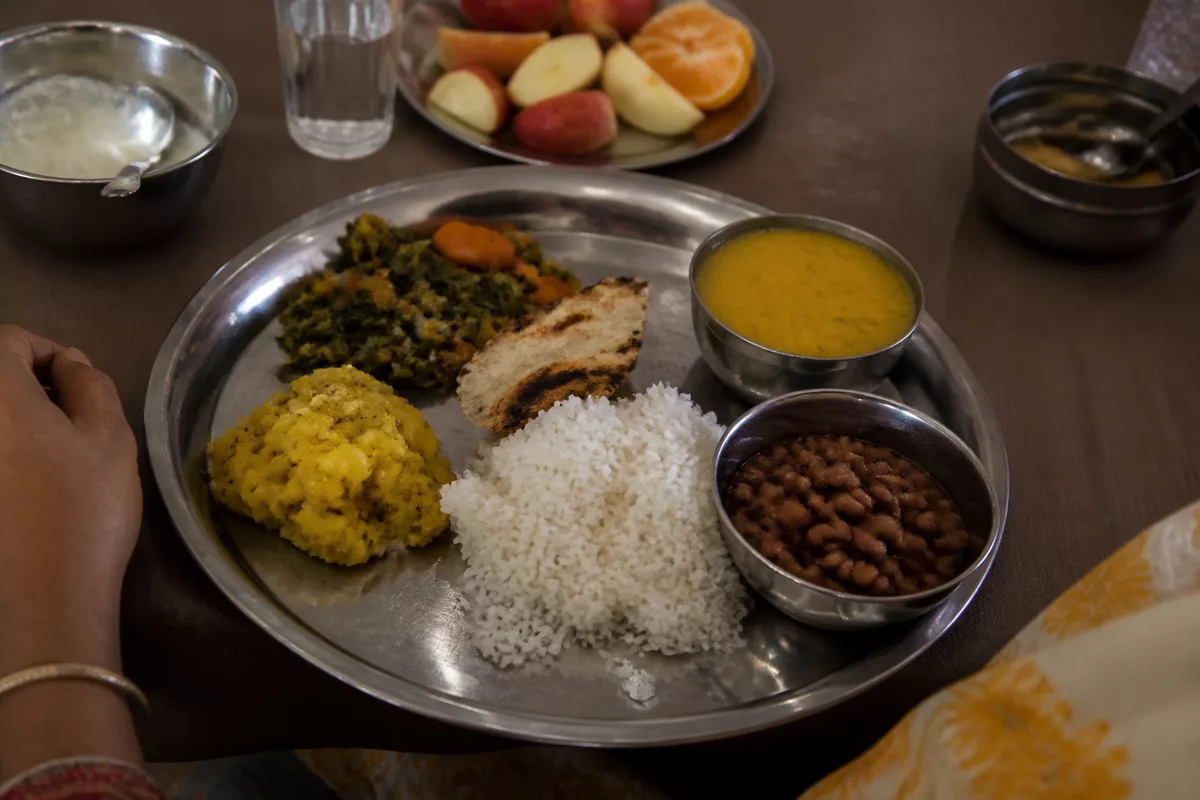
Dietary potassium is not limited to a single fruit or a food presented as miraculous. A varied diet, including vegetables, fruits, legumes, and starchy foods, generally allows diversification of sources without automatically resorting to a supplement.
A highly concentrated source is not necessarily the most practical: the consumed portion also determines the actual intake.
What Are Useful Benchmarks for Daily Needs?
Potassium needs are expressed on a daily basis and vary according to age, sex, health status, and the recommendations used. Anses provides a French reference for nutritional data, while the European Food Safety Authority provides European reference values.
Benchmarks should not be turned into a universal goal without considering the context. A person monitored for kidney disease, hyperkalemia, or certain treatments may receive different recommendations than those intended for the general public.
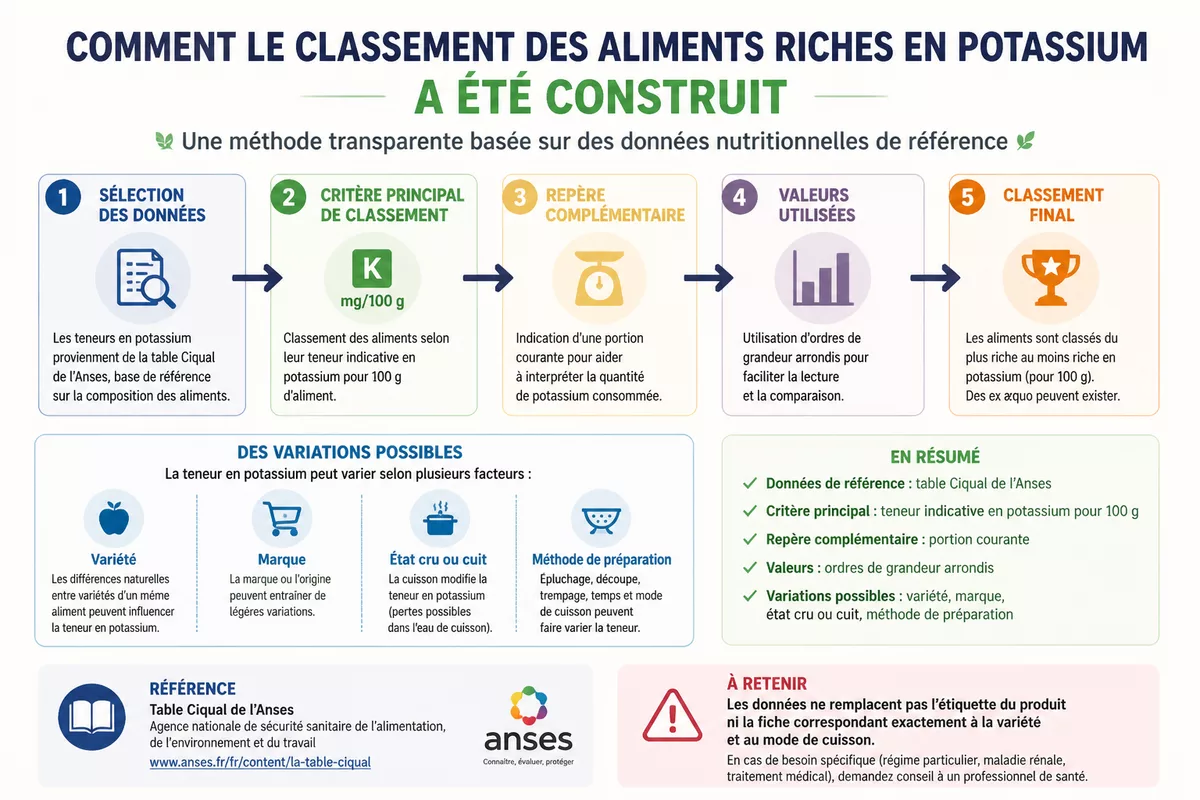
How Was This Top 30 of Foods Rich in Potassium Constructed?
The ranking favors the indicative potassium content per 100 g, then specifies a typical serving. This method allows comparison of very different foods, even if it mechanically favors dry and dehydrated products, from which water has been removed.
The proposed values are rounded orders of magnitude derived from nutritional profiles commonly listed in food tables, notably the Ciqual table from Anses. They do not replace the product label nor the sheet corresponding exactly to the variety and cooking method.
What Limits Should Be Known Before Comparing Contents?
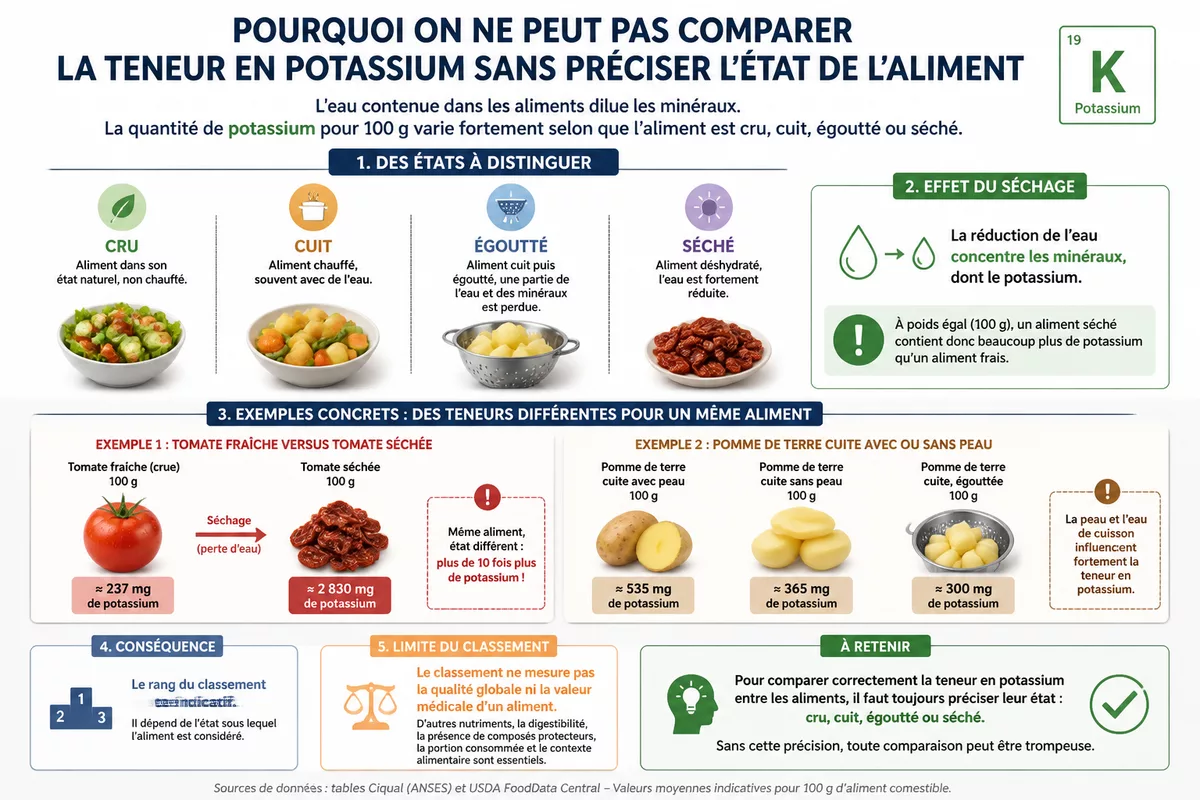
Potassium per hundred grams can vary greatly between a raw, cooked, drained, or dried food. A fresh tomato and a dried tomato cannot therefore be compared without specifying their state, just as a potato cooked with or without skin.
The ranking thus remains indicative. The classification answers a practical question — quickly identifying sources — and does not constitute a medical measure of the overall quality of a food.
Top 30 Foods Highest in Potassium
Foods are ranked according to an indicative content per 100 g. Portions serve to put the figures into perspective and do not constitute dietary prescriptions.
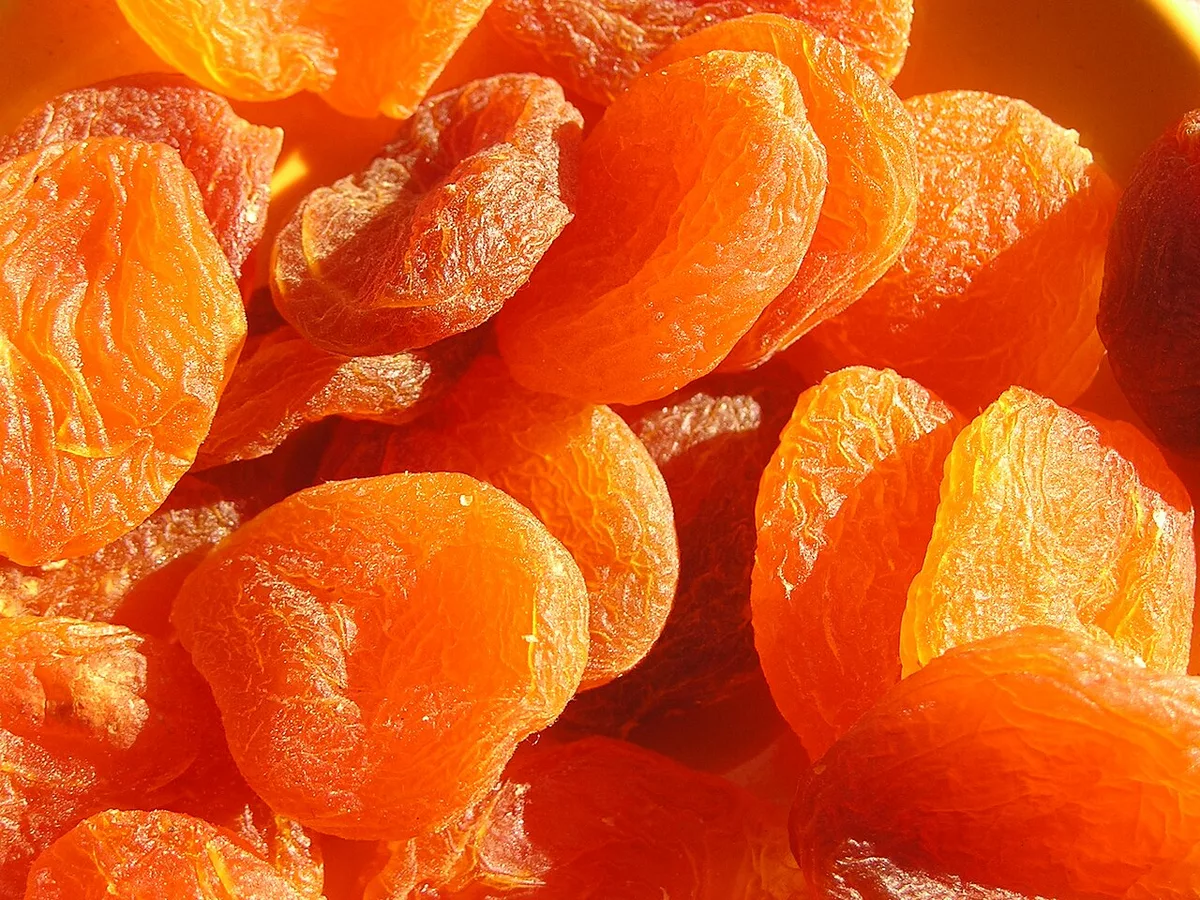
#1 — Dried apricots
Dried apricots are among the foods richest in potassium, with a typical range often around 1,000 to 1,200 mg per 100 g. A 30 g portion therefore provides significantly less than the value shown for 100 g, while still being interesting.
Their energy density and natural sugar content suggest consuming them in small quantities, for example in a nut mix or with plain dairy. The products may also contain sulfites: the label allows checking their presence.
#2 — Raisins
Raisins generally provide around 700 to 800 mg of potassium per 100 g, depending on the variety and preparation. A small handful is however the most realistic portion, as the dried fruit also concentrates carbohydrates and energy.
Raisins are easily used in porridge, mixed salads, or couscous. Their main appeal comes from their convenience; they should not systematically replace fresh fruits, which are richer in water and often more filling by volume.
#3 — Pistachios
Pistachios provide about 1,000 mg of potassium per 100 g, with a notable amount of protein, fiber, and fats. A portion of 25 to 30 g is a more appropriate reference than 100 g.
Unsalted pistachios are preferable when the goal is to limit excess sodium. The potassium present in pistachios is then part of a dense food, but the portion should remain controlled.
#4 — Almonds
Almonds often contain about 700 to 800 mg of potassium per 100 g. They also provide magnesium and fiber, which explains their presence among foods rich in potassium and magnesium.
A handful of plain almonds can complement a breakfast or snack. Roasted salted versions alter the overall profile of the product by adding sodium; the plain choice facilitates a more balanced consumption.
#5 — Cashew nuts
Cashew nuts provide an approximate range of 550 to 700 mg of potassium per 100 g. Their actual content depends on the product, especially when roasted, salted, or incorporated into a preparation.
The usual portion is around 25 to 30 g. Cashew nuts can replace some savory snacks, but their energy density justifies a measured quantity.
#6 — Cooked white beans
Cooked white beans generally provide around 500 to 600 mg of potassium per 100 g. A plate of 150 to 200 g can therefore contribute significantly to the daily intake, while providing fiber and plant proteins.
Rinsing canned beans reduces the preserving liquid and can limit part of the added sodium. Dry legumes must be properly cooked according to the manufacturer’s instructions.
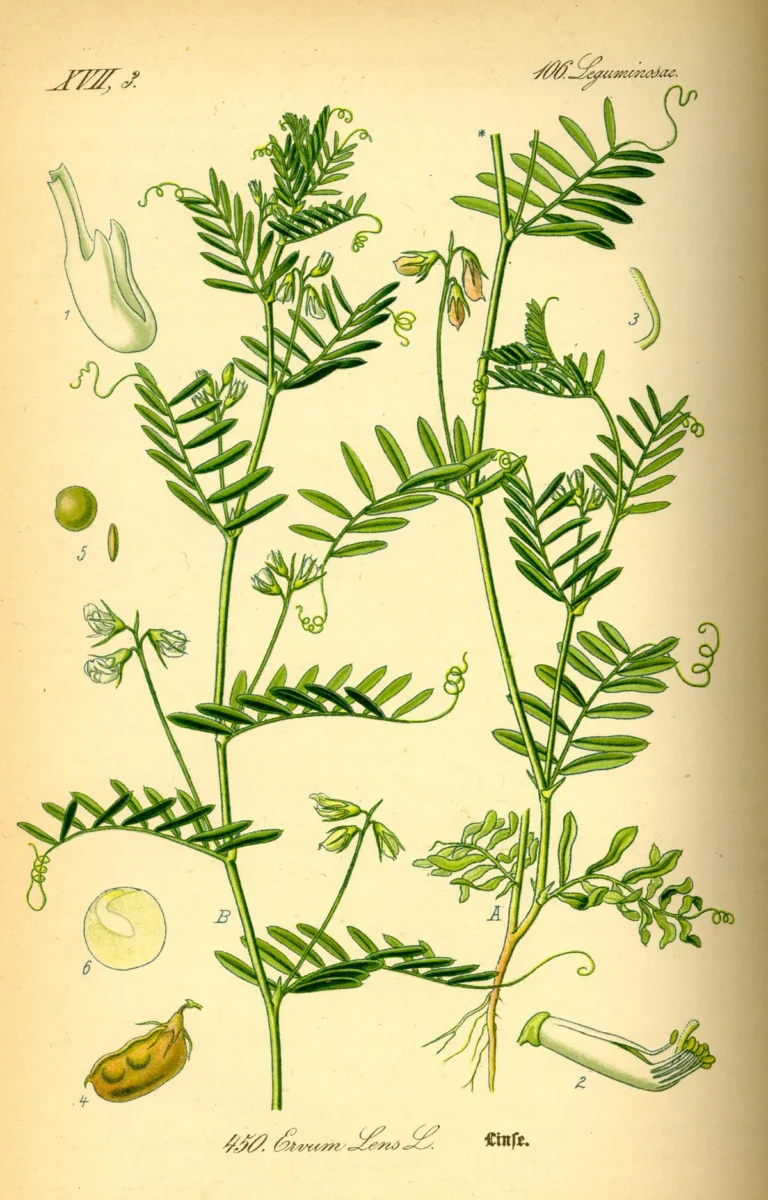
#7 — Cooked lentils
Cooked lentils often provide about 350 to 400 mg of potassium per 100 g. Their usual portion, around 150 to 200 g, is more informative than the value for 100 g alone.
Lentils combine with vegetables and a cereal to form a substantial meal. They constitute a source of potassium in the diet that does not depend on a sweet product or a highly processed food.
#8 — Cooked Chickpeas
Cooked chickpeas provide approximately 290 to 350 mg of potassium per 100 g. A 150 g serving naturally increases the amount consumed and also provides fiber and plant-based proteins.
Jarred chickpeas are convenient, but their liquid may contain salt. Rinsing them with water before use helps remove some of this liquid and improves the texture in a salad or hummus.
#9 — Cooked Soybeans
Cooked soybeans are a legume particularly dense in nutrients, with an indicative potassium content that can exceed 500 mg per 100 g. The figure depends on the form consumed and the cooking method.
Soybeans, edamame, and processed products are not interchangeable. The label remains necessary to distinguish a natural legume from a salted or flavored preparation.
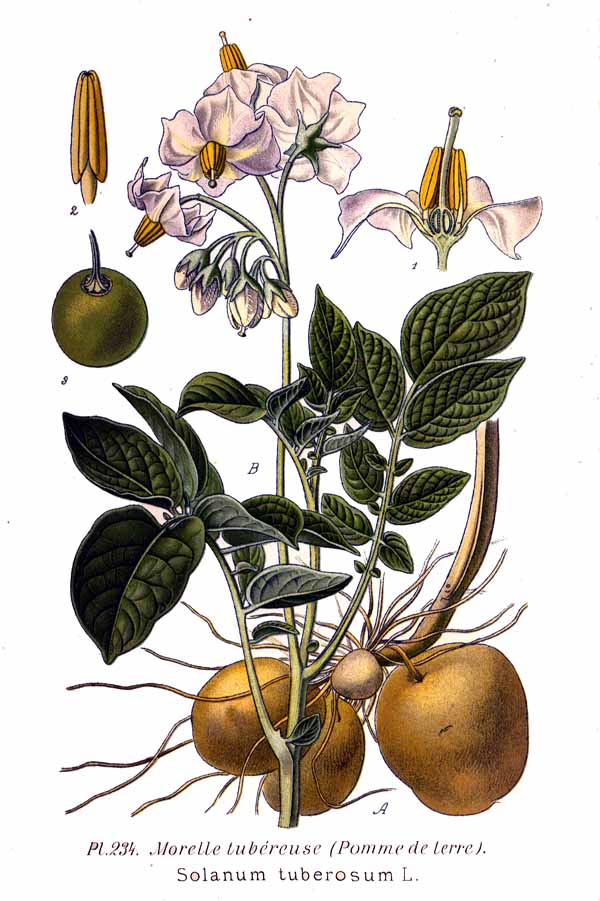
#10 — Cooked Potatoes
Cooked potatoes commonly provide around 300 to 450 mg of potassium per 100 g. A medium potato can therefore contribute more than a small portion of dried fruit, simply because the amount consumed is larger.
Boiling can cause some potassium to migrate into the cooking water. Steaming, baking, or cooking with the skin on—when it is edible and properly washed—generally preserves more nutrients.
#11 — Cooked Sweet Potato
Cooked sweet potato provides about 300 to 400 mg of potassium per 100 g. Its color varies according to the variety and is not sufficient to precisely predict its mineral content.
Roasted, mashed, or in soup, sweet potato easily fits into a meal. However, industrial preparations may contain more salt, fat, or sugar than the natural tuber.
#12 — Cooked Spinach
Cooked spinach often contains around 400 to 550 mg of potassium per 100 g. The final amount depends on the reduction of the vegetable and the water used during preparation.
Spinach can accompany eggs, legumes, or whole grains. Its potassium content does not justify considering it a therapeutic food or increasing it significantly without medical advice in case of prescribed restriction.
#13 — Avocado
Avocado generally provides about 450 to 500 mg of potassium per 100 g. Half an avocado often weighs more than a reference portion of 50 g, which changes the actual intake.
Avocado also provides lipids and fiber. It can replace a very salty sauce, but its benefit depends on the overall meal and the quantity used.
#14 — Sun-Dried Tomatoes
Sun-dried tomatoes are much more concentrated than fresh tomatoes, with a potassium content that can exceed 1,000 mg per 100 g depending on the product. Portions are generally small, often just a few dozen grams.
Tomatoes preserved in oil or seasoned may contain a significant amount of salt. Reading the label is essential to compare natural, oil-packed, and jarred versions.
#15 — Tomato Paste
Tomato paste can provide several hundred milligrams of potassium per 100 g, as the reduction removes some of the water. However, a tablespoon represents only a fraction of this value.
The paste adds flavor to a sauce or soup without requiring a large amount. Prepared versions may contain added salt or sugar, unlike some references composed solely of tomatoes.
#16 — Cooked Mushrooms
Cooked mushrooms provide approximately 300 to 400 mg of potassium per 100 g, depending on the species and cooking method. Their water content remains high, which limits concentration compared to dried foods.
Mushrooms can enrich an omelette, a cereal dish, or a vegetable sauté. Canned products should be drained and compared for their salt content.
#17 — Cooked Swiss chard
Cooked Swiss chard is among the vegetables containing a significant amount of potassium, often around 300 to 500 mg per 100 g. The reduction after cooking changes the reference weight.
The leaves and stalks do not have exactly the same texture or preparation. A short cooking time and using the cooking water in a soup can limit losses related to mineral migration.
#18 — Banana
Bananas generally provide around 350 mg of potassium per 100 g. A medium banana can supply an amount comparable to the value per 100 g, depending on its edible weight.
Bananas are a convenient source, but they do not have a universal property against cramps or fatigue. These symptoms can have many causes and warrant professional advice if they persist.

#19 — Melon
Melon contains about 250 to 300 mg of potassium per 100 g, with a high water content. A generous portion can therefore represent an interesting intake despite a lower concentration than dried fruits.
Melon is used as a starter, dessert, or in a salad. Its content varies according to variety and ripeness, which explains the differences between nutritional tables.
#20 — Kiwi
Kiwi often provides around 250 to 300 mg of potassium per 100 g. Two small kiwis can represent a significant portion, in addition to their fiber and vitamin C content.
Kiwi is suitable for breakfast or a simple dessert. A known allergy to fruits or latex may, however, require medical advice before consumption.
#21 — Orange
Orange generally provides about 180 to 220 mg of potassium per 100 g. The whole fruit provides fiber, while the juice contains less fiber and can be consumed more quickly.
For daily consumption, the whole orange is often more filling than a glass of juice. Potassium should not overshadow the difference between a fruit and a sugary drink, even when the juice is pure.
#22 — Pomegranate
Pomegranate provides about 230 to 250 mg of potassium per 100 g of arils. The actual portion consumed depends on the time needed to remove the seeds and the amount served.
Pomegranate seeds can complement a salad or yogurt. Pomegranate juice does not offer the same nutritional benefits as the whole fruit, especially regarding fiber and satiety.
#23 — Fresh fig
Fresh figs often contain around 230 to 250 mg of potassium per 100 g. Dried figs, much more concentrated, should be classified separately and consumed in smaller quantities.
Fresh figs are incorporated into a dessert or salad. Their seasonality and ripeness explain part of the variations in composition.
#24 — Salmon
Salmon generally provides around 350 to 450 mg of potassium per 100 g, depending on the species and preparation. It also provides proteins and lipids, but the cooking method can change the final portion weight.
Smoked salmon should not be equated with fresh salmon: its salt content is often significantly higher. Therefore, comparisons should be made between foods in a similar state.
#25 — Fresh cod
Fresh cod often provides about 400 to 450 mg of potassium per 100 g. Salted cod, on the other hand, is a different product that requires desalting and checking sodium content.
A fish portion of 100 to 150 g can be included in a meal with vegetables and a starch. Preparation and storage remain decisive for the final nutritional profile.
#26 — Plain yogurt
Plain yogurt provides a moderate amount of potassium, often around 150 to 200 mg per 100 g. An individual portion of 125 g therefore provides a proportional amount, without reaching the levels of dried fruits or legumes.
Flavored versions may contain added sugar. Plain yogurt combined with a fruit and some seeds offers more nutritional variety than a very sweet dairy dessert.
#27 — Milk
Milk generally contains around 140 to 160 mg of potassium per 100 ml. A bowl of 200 to 250 ml therefore provides more than the value indicated for 100 ml, but remains a moderate source.
Milk can be used in breakfast, soup, or a culinary preparation. Plant-based drinks do not all have the same profile: the label must be checked, especially when they are fortified.
#28 — Unsweetened cocoa powder
Unsweetened cocoa powder is very concentrated in minerals per 100 g, with a potassium content that can exceed 1,000 mg depending on the brand. However, a drink or recipe only uses a few grams.
Cocoa should not be confused with sweetened chocolate powders. The ingredient list allows distinguishing a pure powder from a mixture mainly containing sugar.
#29 — Whole wheat bread
Whole wheat bread often provides about 200 to 300 mg of potassium per 100 g. A slice usually weighs less than 100 g, making the portion more useful for estimating the actual intake.
Whole wheat bread also provides fiber, but its composition depends on the flour, the recipe, and the added salt. Potassium alone is therefore not enough to compare two breads on their overall quality.
#30 — Mineral water rich in potassium
Some mineral waters can contain potassium, but the content varies greatly depending on the source and the label. Most do not compete with solid foods when the comparison is made per 100 g or 100 ml.
The choice of water is mainly based on taste, overall composition, and any recommendations received. Mineral water should not be used to deliberately modify potassium intake without professional advice.
Which potassium table to use to compare portions?
The following table gathers rounded orders of magnitude. The data are indicative and should be compared with the Ciqual table from Anses or the product label when precision is necessary.
| Rank | Food | Potassium per 100 g | Typical portion | Potassium per portion, order of magnitude |
|---|---|---|---|---|
| 1 | Dried apricots | 1,000–1,200 mg | 30 g | 300–360 mg |
| 2 | Raisins | 700–800 mg | 30 g | 210–240 mg |
| 3 | Pistachios | 900–1,000 mg | 30 g | 270–300 mg |
| 4 | Almonds | 700–800 mg | 30 g | 210–240 mg |
| 5 | Cashew nuts | 550–700 mg | 30 g | 165–210 mg |
| 6 | Cooked white beans | 500–600 mg | 150 g | 750–900 mg |
| 7 | Cooked lentils | 350–400 mg | 150 g | 525–600 mg |
| 8 | Cooked chickpeas | 290–350 mg | 150 g | 435–525 mg |
| 9 | Cooked soybeans | 500–600 mg | 100 g | 500–600 mg |
| 10 | Cooked potato | 300–450 mg | 180 g | 540–810 mg |
| 11 | Cooked sweet potato | 300–400 mg | 180 g | 540–720 mg |
| 12 | Cooked spinach | 400–550 mg | 150 g | 600–825 mg |
| 13 | Avocado | 450–500 mg | 100 g | 450–500 mg |
| 18 | Banana | 330–360 mg | 120 g | 400–430 mg |
| 24 | Salmon | 350–450 mg | 120 g | 420–540 mg |
| 26 | Plain yogurt | 150–200 mg | 125 g | 190–250 mg |
A portion of legumes or potatoes can provide more potassium than a small portion of a very concentrated food. The ranking per 100 g remains useful for comparison, but the actual amount served should guide daily choices.
Which potassium-rich foods to choose according to the meal?
For breakfast, a fruit, plain yogurt, and a few almonds make a simple combination. At lunch or dinner, lentils, beans, potatoes, green vegetables, and fruits more easily complement a structured meal.
- Breakfast: banana, kiwi, plain yogurt, and unsalted almonds.
- Lunch: lentils, potatoes, avocado, or green vegetables.
- Snack: small portion of dried apricots or unsalted pistachios.
- Dinner: fish, legumes, and cooked vegetables, according to dietary preferences.
Potassium-rich fruits are not the only options: legumes and tubers are often more interesting for building a satisfying meal. To broaden the reflection on plant foods rich in different compounds, also consult this selection of foods rich in polyphenols, without confusing polyphenols and potassium.
How to increase potassium intake without disrupting your habits?
The simplest method is to gradually replace some highly refined or very salty products with raw foods naturally containing potassium. The change can focus on a single meal, for example by adding lentils to a salad or a potato to a plate of vegetables.
- Choose a main source: legume, potato, fruit, vegetable, or dairy product.
- Check the portion: compare the actual amount consumed with the value per 100 g.
- Limit very salty versions: rinse canned goods and prefer unsalted nuts.
- Vary categories: alternate fruits, vegetables, legumes, and starches.
- Control special needs: seek advice in case of illness or treatment related to potassium.
Cooking can alter the measured content: part of the minerals passes into the water, especially when the food is cut and boiled for a long time. The loss is not the same depending on the food, the volume of water, and the cooking time; therefore, no single rule allows precise calculation of the value after preparation.
What are common pitfalls with potassium-rich foods?
Errors often come from a too quick comparison between dry, fresh, raw, and cooked foods. Careful reading of the product’s state avoids overestimating or underestimating the actual intake.
- Confusing 100 g and a portion: 100 g of dried fruits represent a much larger quantity than a small handful.
- Comparing a dry product with a fresh product: dehydration concentrates nutrients and strongly changes the ranking.
- Forgetting added salt: a potassium-rich food can also be very salty when processed.
- Assigning an automatic medical action: dietary potassium alone does not treat cramps, fatigue, or blood pressure.
- Taking a supplement without advice: supplements can be inappropriate or dangerous for certain profiles.
The right reflex is to read the food in its context: product state, served quantity, added salt, and health situation.
How to compare potassium with foods rich in magnesium?
Potassium and magnesium are two distinct minerals, even though they are sometimes found in the same foods, notably nuts, legumes, and certain seeds. A food rich in potassium is therefore not automatically an equivalent source of magnesium.
Almonds, pistachios, cashews, and legumes can contribute to both intakes, but their composition must be checked separately. Dietary variety remains more useful than searching for a single food that combines all qualities.
Powders or extracts presented as nutritional concentrates require more caution. Articles dedicated to curcumin and its precautions illustrate why a concentrated product cannot simply be compared to a common food.
When should potassium be particularly monitored?
Medical monitoring may be necessary in cases of kidney failure, abnormal blood potassium levels, certain diseases, or treatments that alter potassium elimination. The course of action depends on the assessment and prescription, not on a general list found online.
Restriction or increase of potassium should not be decided alone when a professional has given specific instructions. A doctor, pharmacist, or dietitian can specify the foods to limit, portions, and suitable preparation methods.
Key takeaways
- 🥜 Nuts and oilseeds are concentrated, but their portions generally remain small.
- 🥔 Potatoes, legumes, and vegetables facilitate a regular intake throughout meals.
- 🍌 Potassium per 100 g never replaces observing the portion actually consumed.
- 🧂 Salted, smoked, or processed products must be compared carefully.
- ⚕️ Kidney disease or treatment requires professional advice before any significant change.
Frequently asked questions
Which fruit is richest in potassium?
Dried fruits, such as apricots and raisins, are generally more concentrated than fresh fruits. However, their small portion must be taken into account, as they also contain more sugars and energy by weight.
Which vegetables contain the most potassium?
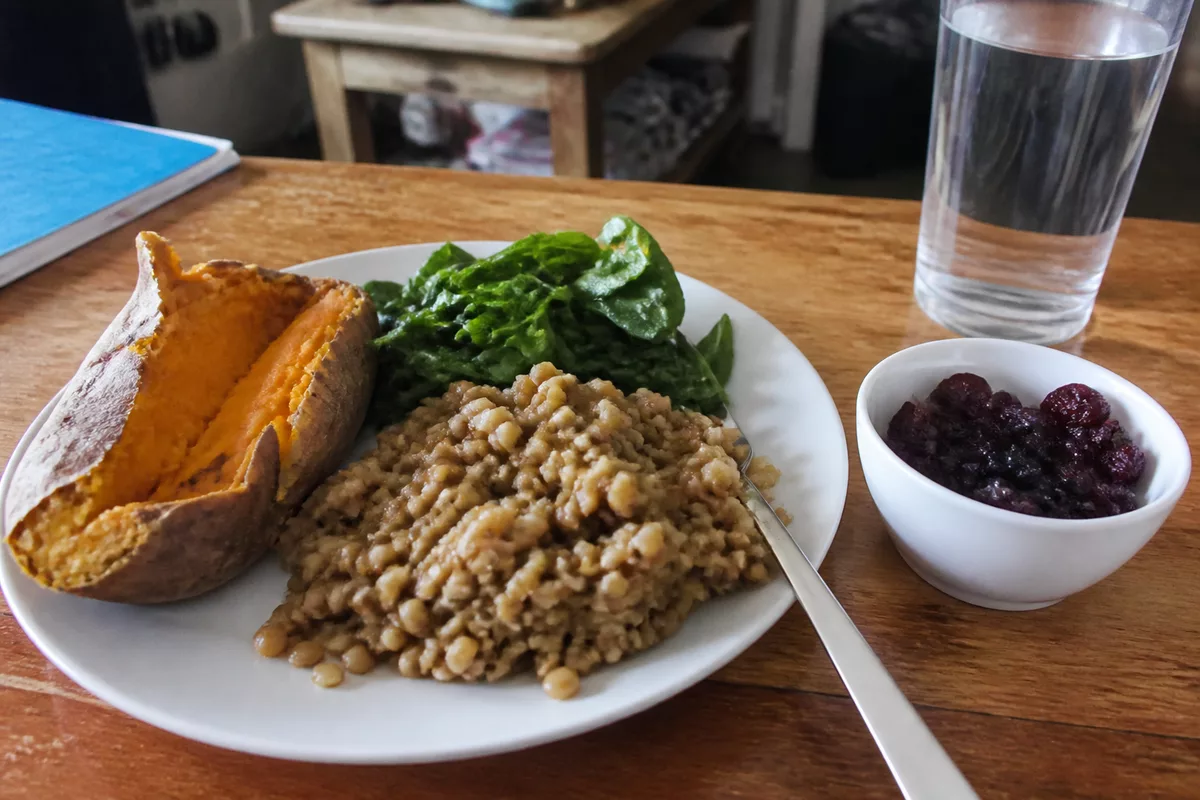
Potatoes, sweet potatoes, spinach, chard, and concentrated tomatoes are among the common options. Cooking, draining, and product concentration can significantly alter the measured content.
Is a banana enough to cover potassium needs?
A banana contributes to intake, but it alone does not cover daily needs. Legumes, vegetables, fruits, tubers, and dairy products help diversify sources.
Should a potassium supplement be taken?
A supplement should not be taken automatically to improve diet or fight fatigue. Supplementation can present risks in certain situations and should be discussed with a healthcare professional.
Who should seek advice before increasing potassium?
People with kidney disease, those with a known potassium abnormality, or who take certain treatments should seek advice before significantly changing their diet. The competent professional can adapt portions and concerned foods to the actual situation.
(function(){
var ov=document.getElementById(‘magic-lb’);if(!ov)return;
var img=ov.querySelector(‘img’),btn=ov.querySelector(‘.magic-lb-close’);
function open(src){img.src=src;ov.classList.add(‘open’);document.body.style.overflow=’hidden’}
function close(){ov.classList.remove(‘open’);img.src=”;document.body.style.overflow=”}
document.addEventListener(‘click’,function(e){
var a=e.target.closest(‘a.magic-img-link’);
if(a){e.preventDefault();open(a.getAttribute(‘href’));return}
var i=e.target.closest(‘.wp-block-image img’);
if(i&&!e.target.closest(‘a’)){e.preventDefault();open(i.currentSrc||i.src)}
});
ov.addEventListener(‘click’,function(e){if(e.target===ov||e.target===btn)close()});
document.addEventListener(‘keydown’,function(e){if(e.key===’Escape’)close()});
})();
