

Sommaire
10 Anti-Cholesterol Foods: The Simple Guide to Better Daily Choices
The 10 most interesting anti-cholesterol foods are oats, legumes, nuts, olive oil, fatty fish, fruits rich in pectin, flax and chia seeds, leafy green vegetables, red fruits, and eggplant. Their benefits mainly rely on fiber, unsaturated fats, and replacing foods higher in saturated fats.
The ranking below favors foods that are easy to incorporate and mechanisms that are best established, with priority given to lowering LDL, often called “bad cholesterol.” An appropriate diet can help, but it does not replace a lipid profile test or prescribed treatment.
In Brief
🥣 Oats and legumes are the most solid foundations thanks to their soluble fibers and their ability to replace fattier products.
🥜 Nuts and olive oil provide unsaturated fats when they replace butter, cold cuts, or fried foods.
🐟 Fatty fish supply omega-3s, particularly beneficial for the overall balance of blood lipids, especially triglycerides.
⚠️ No single food normalizes a lipid profile alone: eating habits, physical activity, medical history, and treatments also matter.
How Was This Ranking of 10 Anti-Cholesterol Foods Established?
The ranking selects foods based on four criteria: the presence of soluble fibers or unsaturated fats, ease of replacing a less favorable food, their place in an ordinary diet, and the level of caution needed to present their benefits. The order therefore does not constitute an absolute medical hierarchy.

The first foods are those whose mechanism is most directly linked to reducing LDL or improving the lipid profile. The last places correspond to interesting foods in a balanced plate, but whose specific effect on LDL is less documented in the available data.
- Priority to foods rich in soluble fibers.
- Replacement of saturated fats by unsaturated fats.
- Consideration of triglycerides without confusing their evolution with that of LDL.
- No promise of individual results or cure.
“The primary goal is not to raise good cholesterol at all costs, but to reduce LDL when the lipid profile and cardiovascular risk justify it.”
Understanding Cholesterol Before Changing Your Diet
Cholesterol is an essential substance for the body, notably for certain cell membranes and the production of essential compounds. LDL transports cholesterol to tissues; when present in excess, it can promote atherosclerosis, that is, the formation of plaques in the arteries.
HDL participates in transporting cholesterol to the liver, where it can be recycled or eliminated. This distinction explains why an anti-cholesterol diet primarily targets LDL and the overall lipid profile, rather than simply increasing “good cholesterol.”
LDL, HDL, and Triglycerides: Useful Benchmarks
LDL is the most frequently targeted value when a professional talks about “bad cholesterol.” Triglycerides correspond to another family of blood lipids, influenced notably by alcohol, excess sugars, weight, certain diseases, and eating habits.
A lipid profile can therefore include several values. Interpretation depends on overall cardiovascular risk, medical history, age, smoking, blood pressure, and any associated diseases. The same number does not necessarily lead to the same decision for two people.
Why can diet make a difference?
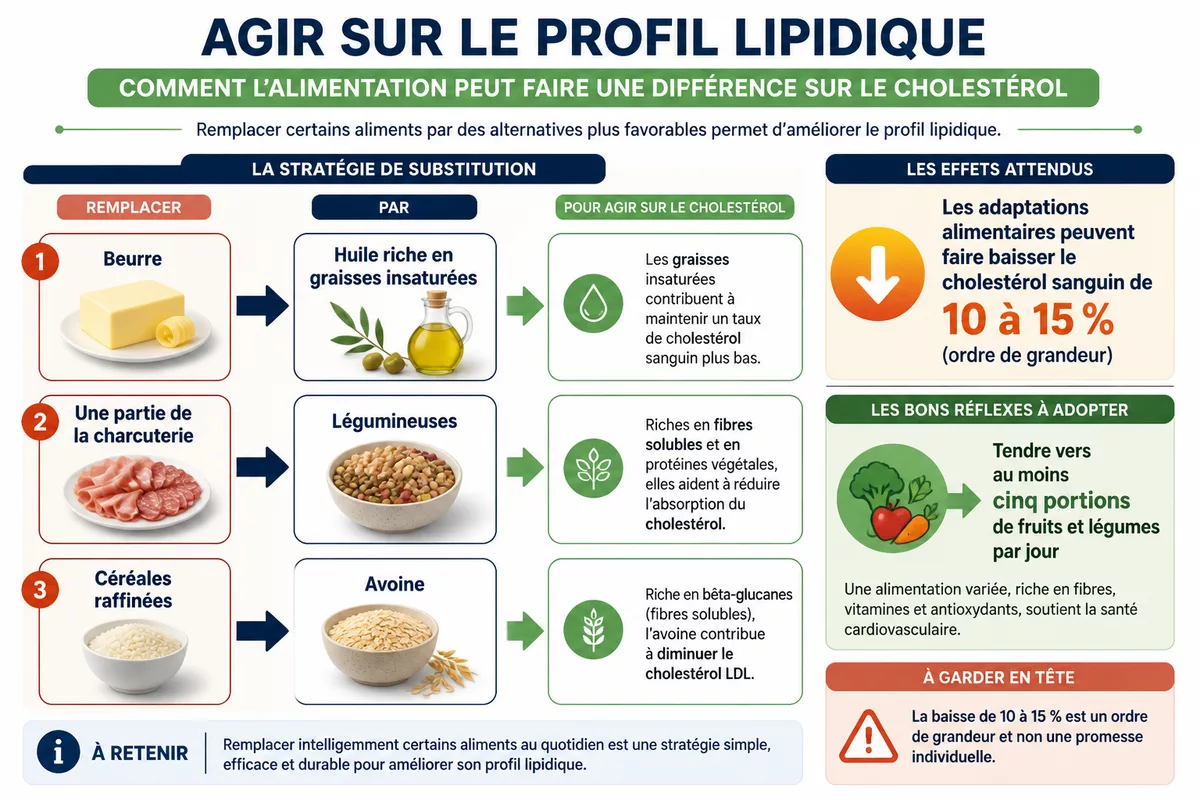
A favorable diet mainly works by substitution. Replacing butter with an oil rich in unsaturated fats, some processed meats with legumes, or refined cereals with oats changes the overall composition of meals.
The IRBMS indicates that dietary adjustments can lower blood cholesterol by about 10 to 15%, but this value remains an estimate and not an individual promise. The IRBMS reference page consulted in 2026 also recommends aiming for at least five servings of fruits and vegetables per day.
When to seek medical advice?
Medical advice is necessary in case of high LDL levels, cardiovascular history, diabetes, hypertension, kidney disease, pregnancy, or ongoing treatment. An adapted diet can support management, but it never justifies stopping or changing medication without professional advice.
A consultation is also relevant when a lipid panel remains abnormal despite several weeks of regular habits. The doctor can look for a secondary cause, assess cardiovascular risk, and decide if monitoring or treatment is necessary.
The 10 anti-cholesterol foods to prioritize
#1 — Oats and cereals rich in soluble fibers
Oats are a cereal rich in soluble fibers, notably beta-glucans. These fibers form a viscous substance in the digestive tract and can help limit the reabsorption of some bile acids, which contributes to the body’s use of cholesterol.
Oats come first because they combine a relevant mechanism, simple daily use, and easy substitution for highly sweetened cereals. Oat bran, flakes, and whole oats can be added to porridge, plain yogurt, or a savory preparation.
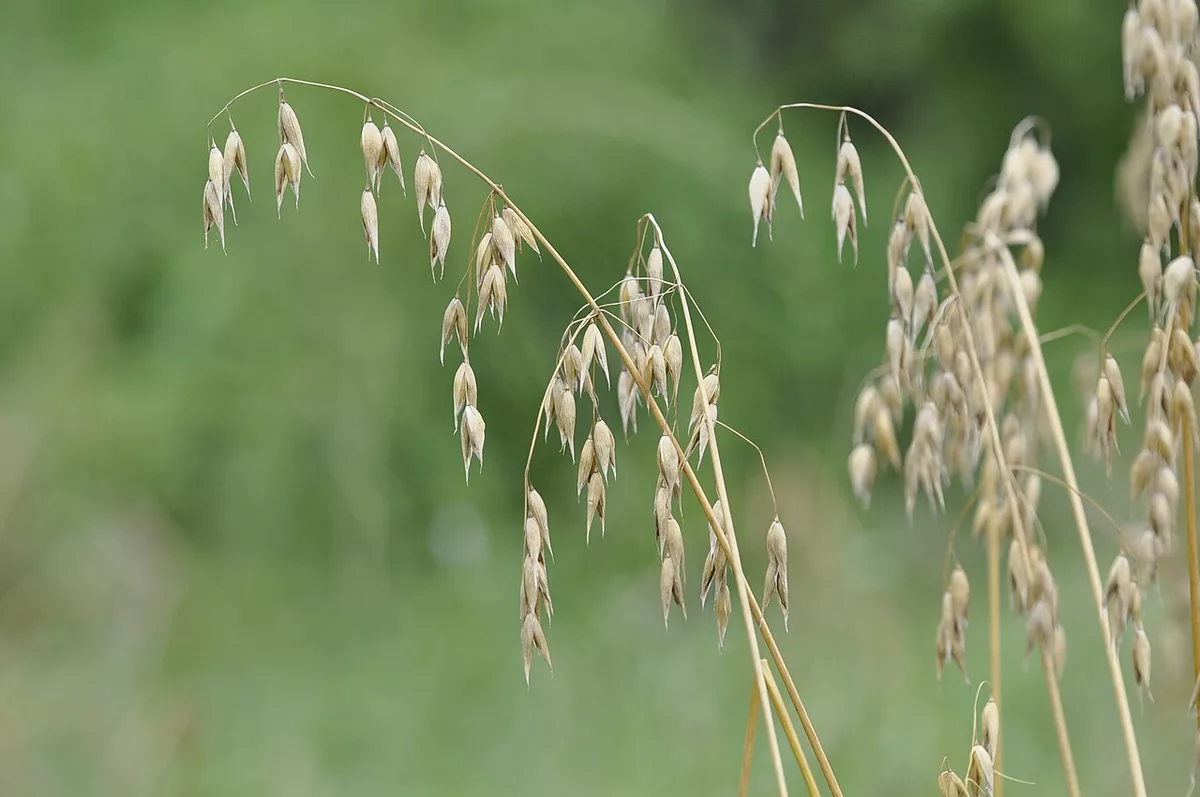
- To try: oatmeal at breakfast with a fruit.
- Savory alternative: cooked oats like a cereal in a soup or a patty.
- Note of caution: gradually increase fiber intake and drink enough fluids.
#2 — Legumes
Lentils, chickpeas, beans, and split peas provide fiber, plant proteins, and a satisfying texture. Legumes are particularly useful when they replace some processed meats, fatty meats, or an industrial dish rich in saturated fats.
Their benefit does not come from a magical effect on cholesterol, but from their composition and the place they occupy on the plate. A lentil salad, low-salt hummus, or dhal can replace a side dish poorer in fiber.
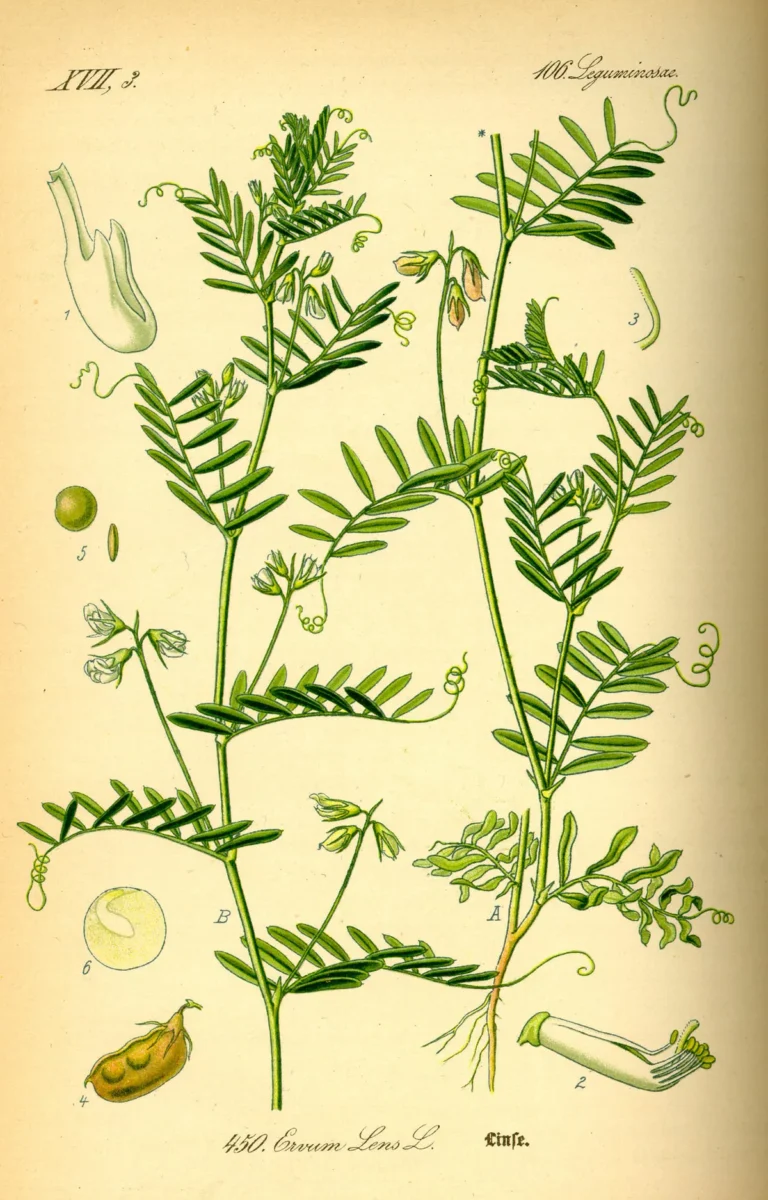
Canned legumes remain practical if rinsed to reduce some of the preserving salt. Dry versions require soaking or longer cooking but allow preparing several meals in advance.
#3 — Nuts, Almonds, and Other Tree Nuts
Tree nuts provide unsaturated fats, fiber, and a crunchy texture that can replace savory snacks or very sweet desserts. Unsalted walnuts, almonds, hazelnuts, and pistachios are therefore interesting in a diet aimed at improving the lipid profile.
The benefit mainly depends on substitution: a small handful of nuts instead of a product rich in saturated fats is more consistent than a systematic addition to an already very calorie-dense diet. Tree nuts remain energy-dense, even when nutritionally beneficial.
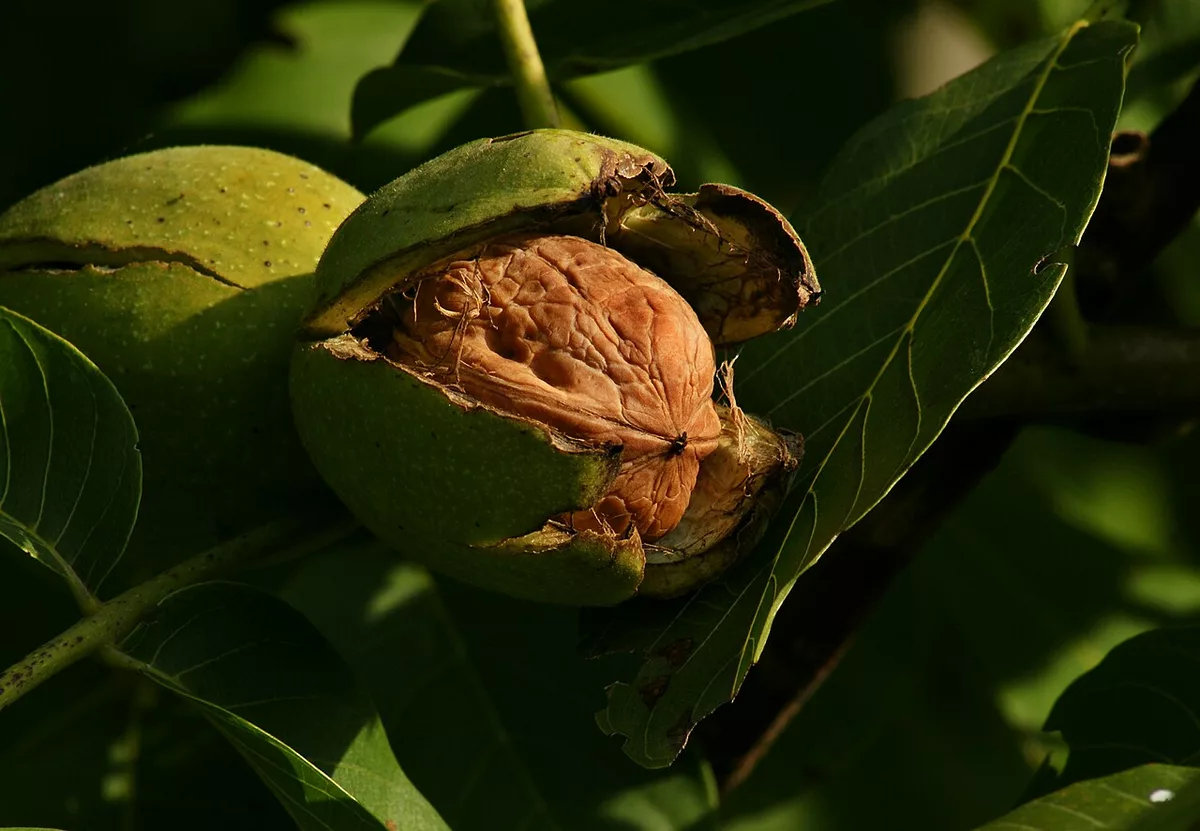
- Preferably choose unsalted tree nuts.
- Use them in a salad or porridge rather than mindlessly snacking on them.
- Check for known allergies and avoid very sweet or coated mixes.
#4 — Extra Virgin Olive Oil
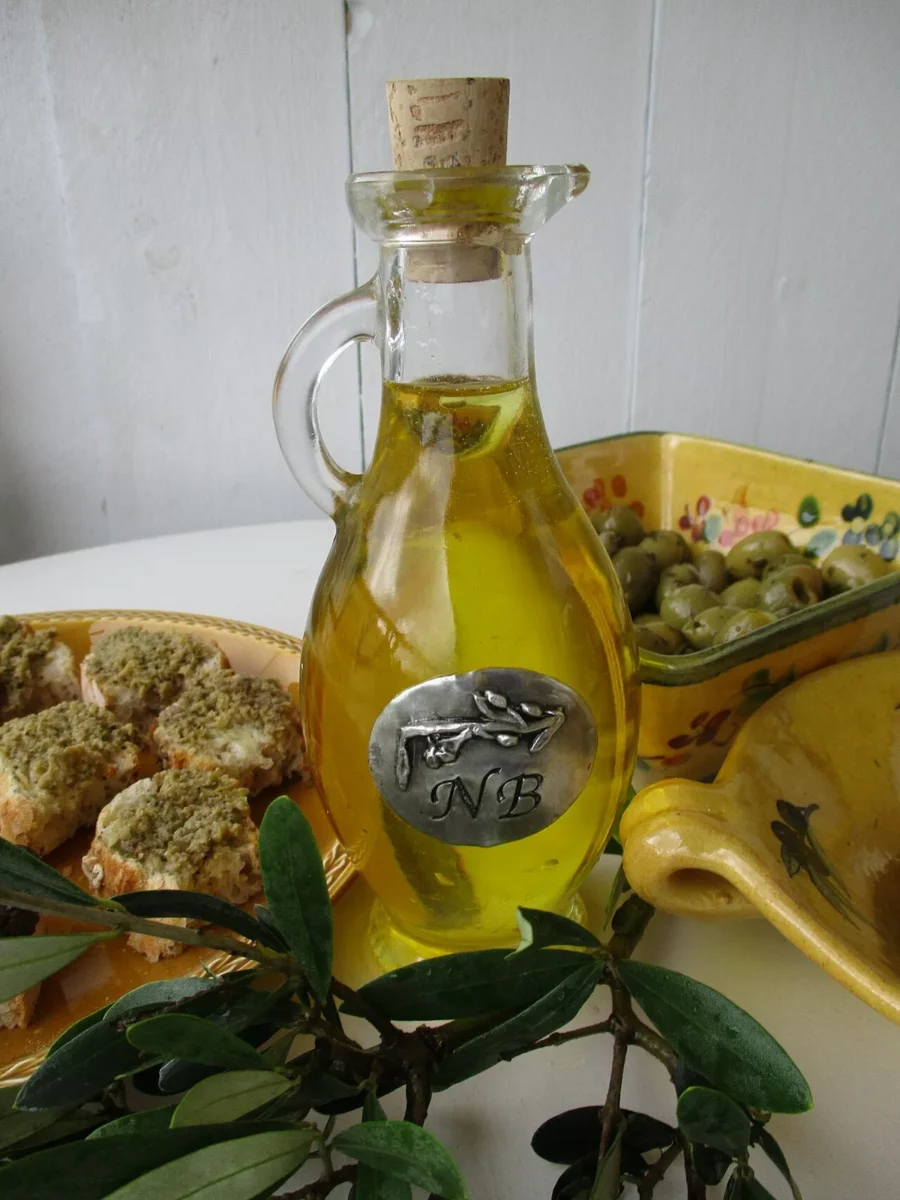
Olive oil mainly provides unsaturated fats and can help improve the lipid profile when it replaces butter, cream, or certain sauces rich in saturated fats. Extra virgin olive oil also provides plant compounds, but it remains a fat to be used in moderation.
A vinaigrette made with olive oil, lemon, and herbs can accompany vegetables, legumes, or whole grains. However, the oil does not compensate for repeated frying or a very large portion.
#5 — Fatty Fish
Salmon, mackerel, and sardines are sources of omega-3s. These fatty acids are particularly studied for their relationship with triglycerides and overall cardiovascular balance; their effect should not be presented as an automatic reduction of LDL.
Fatty fish can replace processed meat in a salad, a cereal dish, or on a slice of bread. Fresh, frozen, or canned versions can be suitable, checking the salt content in canned goods.
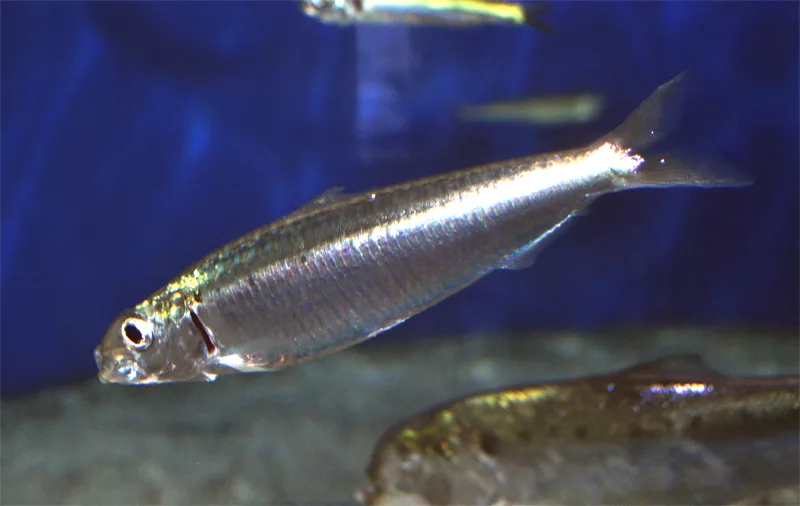
The exact frequency depends on the recommendations followed, the rest of the diet, and the health profile. A pregnant person, someone allergic, or concerned about contamination should seek advice from a qualified professional.
#6 — Fruits Rich in Pectin, Such as Apples
Apples and other fruits rich in pectin provide soluble fiber. Pectin is a fiber capable of retaining water and contributing to the consistency of digestive contents, which explains its interest in a plant-rich diet.
The apple is especially useful when it replaces a cookie, a pastry, or a sugary drink. Eating it whole preserves more of the fruit’s structure than juice, which is less satiating and concentrates sugars more quickly.
- Whole apple or pear as a snack.
- Cut fruits in plain yogurt with some oatmeal flakes.
- Unsweetened applesauce when chewing is difficult.
#7 — Flaxseeds and Chia Seeds
Flaxseeds and chia seeds provide fiber and plant-based omega-3s. Their place is interesting in an already balanced meal, but the available data do not allow us to affirm that they systematically reduce LDL in everyone.
Ground flaxseeds can be added to yogurt, a salad, or bread dough. Chia seeds swell upon contact with a liquid and can thicken a preparation. A gradual increase limits the risk of digestive discomfort linked to a sudden rise in fiber.
Concentrated supplements are not automatically superior to foods. In case of treatment, digestive disease, pregnancy, or difficulty swallowing, professional advice is preferable before significantly increasing seeds.
#8 — Green Leafy Vegetables
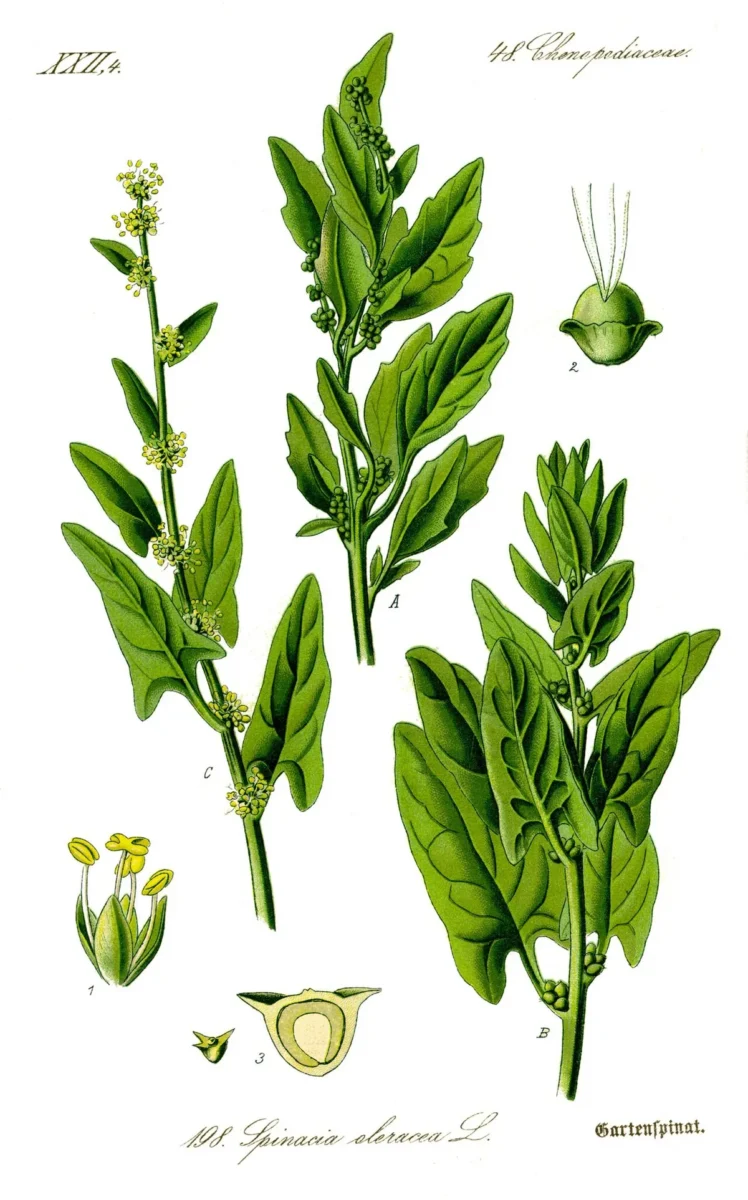
Spinach, kale, and lettuce provide fiber, water, and various plant compounds. Their contribution to the lipid profile is mainly part of an overall diet rich in vegetables, rather than an isolated effect comparable to that of a medication.
Green leafy vegetables can replace part of the refined starches on a plate. A sautéed spinach dish, a lettuce salad, or cabbage incorporated into a soup increase the plant density of the meal without requiring a complicated recipe.
#9 — Red Fruits
Strawberries, raspberries, blackberries, and blueberries provide fiber and various plant compounds, notably polyphenols. Their main interest is to replace very sugary desserts or ultra-processed products in a diet richer in plants.
Frozen red fruits allow this option to be preserved out of season. They can accompany plain yogurt, unsweetened compote, or porridge. Juices and very sweetened preparations do not provide the same benefit as a whole or minimally processed fruit.
To deepen the role of plant compounds in the diet, the selection dedicated to foods rich in polyphenols offers a complementary angle, without turning these compounds into a therapeutic promise.
#10 — Eggplant and Various Vegetables
Eggplant provides fiber and can replace a garnish richer in saturated fats when cooked with little oil. Its interest is thus explained as much by its composition as by the way it fits into the meal.
A roasted eggplant, a low-fat ratatouille, or a preparation with chickpeas increases the vegetable portion. Eggplant should not be presented as a food that alone would lower LDL: the evidence is less direct than for oats or legumes.
Which Foods Are Most Useful for Lowering LDL?
The foods most directly interesting for LDL are oats and legumes, thanks to their soluble fibers, then nuts and olive oil when they replace saturated fats. Fruits, vegetables, seeds, and fish complement this base without producing a guaranteed isolated effect.
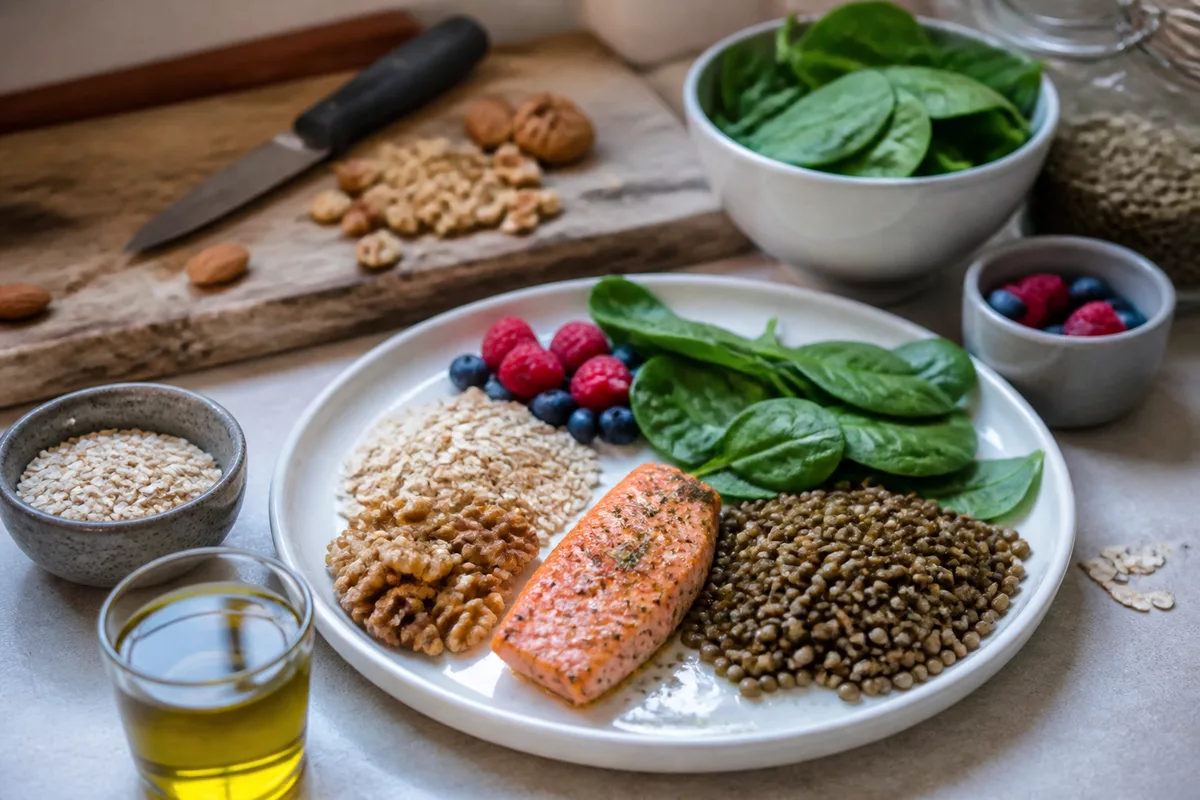
The practical hierarchy is therefore as follows: regularly add soluble fibers, replace some animal fats, choose more plants, and limit ultra-processed products. The quality of the substitution often matters more than adding a food presented as “anti-cholesterol”.
| Rank | Food | Main Benefit | Usage Idea | Limit to Know |
|---|---|---|---|---|
| 1 | Oats | Soluble fibers | Porridge or yogurt | Increase fiber gradually |
| 2 | Legumes | Fibers and plant proteins | Lentils or chickpeas | Watch the salt in canned products |
| 3 | Tree nuts | Unsaturated fats | Unsalted nuts | Energy-dense foods |
| 4 | Olive oil | Butter replacement | Vinaigrette | Total fat quantity |
| 5 | Fatty fish | Omega-3 | Sardines or mackerel | Effect mainly studied on triglycerides |
| 6 | Apples and pectin-rich fruits | Soluble fibers | Whole fruit | Prefer fruit over juice |
| 7 | Flaxseed and chia | Fibers and plant-based omega-3 | Ground or soaked seeds | Effect on LDL to be nuanced |
| 8 | Leafy vegetables | Fibers and plant compounds | Salad or soup | Overall effect rather than isolated |
| 9 | Red fruits | Fibers and polyphenols | Yogurt or porridge | Avoid very sweetened versions |
| 10 | Eggplant | Fibers and replacement for fatty toppings | Ratatouille or roasted vegetable | Cooking can add a lot of oil |
How to practically incorporate these cholesterol-lowering foods?
A day favorable to the lipid profile does not mean piling ten foods into a single meal. The principle is to distribute fibers, choose a source of unsaturated fats, and gradually replace foods richest in saturated fats or highly processed.

- At breakfast: replace a pastry with oats, a whole fruit, and plain yogurt.
- At lunch: combine vegetables, a legume or whole grain, and a protein source.
- At dinner: choose a fatty fish or a plant-based alternative, then add cooked vegetables and use fat sparingly.
- For a snack: prefer a fruit or a few unsalted nuts over a filled cookie.
- After several weeks: follow the healthcare professional’s recommendations to decide if a new assessment is necessary.
A simple replacement example is serving a lentil salad with vegetables and an olive oil vinaigrette instead of a prepared dish containing cold cuts and creamy sauce. The difference then comes from the whole meal, not a single ingredient.
What to eat instead of less favorable foods?
Reducing LDL often involves removing or replacing certain foods. Saturated fats found in butter, some cold cuts, fried foods, and many ultra-processed products can have a greater impact on daily choices than an occasional addition of seeds or berries.
| To limit | Why | Practical replacement |
|---|---|---|
| Butter and cream in large amounts | High intake of saturated fats | Olive oil or vegetable-based sauce |
| Frequent cold cuts | Saturated fats, salt, and processing | Lentils, chickpeas, unprocessed fish or poultry |
| Repeated fried foods | High energy density | Baking, steaming, or pan-cooking with little fat |
| Very sweet biscuits and cereals | Low fiber and high caloric density | Oats, whole fruit, and plain yogurt |
| Excessive alcohol | Can worsen triglyceride balance | Water, sparkling water, or unsweetened drinks |
What mistakes to avoid with an anti-cholesterol diet?
An anti-cholesterol diet becomes counterproductive when it relies on shortcuts. The following five pitfalls are common and can distract from the main goal: sustainably improving the lipid profile.
- Expecting an effect from a single food: oats or walnuts do not compensate for an overall diet rich in cold cuts, fried foods, and sugary products. One must think in terms of meals and substitutions.
- Confusing dietary cholesterol with blood LDL: the overall composition of the diet, especially saturated fats, often matters more than an isolated food containing cholesterol.
- Suddenly increasing fiber: a sudden increase can cause bloating and discomfort. The progression should be gradual, with appropriate hydration.
- Taking a supplement without checking interactions: a concentrated product is not trivial in case of treatment, pregnancy, illness, or allergy.
- Stopping medication because the diet changes: dietary improvement does not allow changing treatment without the advice of the doctor monitoring the assessment.
“To achieve a better lipid profile, replacing often matters more than adding: replacing butter, cold cuts, or biscuits with options rich in fiber and unsaturated fats.”
Anti-cholesterol diet: which alternatives according to the need?
The ten foods in the ranking do not exactly meet the same objective. Oats and legumes are suitable for soluble fiber intake, olive oil and nuts replace certain saturated fats, while fatty fish respond more to the question of omega-3s and triglycerides.
| Need | Priority option | Real alternative | Reasonable choice |
|---|---|---|---|
| Increase soluble fiber | Oats | Legumes | Choose according to the meal and digestive tolerance |
| Replace butter | Olive oil | Unsweetened nut purée | Favor a measured quantity |
| Replace cold cuts | Legumes | Unprocessed fish or poultry | Alternate protein sources |
| Add omega-3s | Fatty fish | Flax or chia | Seek advice in case of treatment or illness |
What simple menu can accompany an anti-cholesterol diet?
A simple menu can combine a fiber-rich cereal at breakfast, a legume at lunch, vegetables at every meal, and a source of unsaturated fats. Variety is preferable to repeating the same food presented as miraculous.
- Morning: oatmeal flakes, plain yogurt, apple, and a few nuts.
- Noon: lentil salad, assorted vegetables, olive oil, and a whole fruit.
- Evening: sardines or a plant-based alternative, roasted eggplant, and leafy vegetables.
- Possible snack: plain red fruits or a small portion of nuts.
This menu is a general example, not a personalized prescription. Quantities should take into account hunger, physical activity, nutritional needs, any illnesses, and cultural habits.
What verdict to retain among these 10 anti-cholesterol foods?
The strongest trio to start with is oats, legumes, and nuts, complemented by olive oil replacing saturated fats. These foods are placed at the top because they combine a coherent nutritional mechanism and easy integration into meals.
Fatty fish, fruits, vegetables, and seeds enhance the overall quality of the diet, but their role must be described precisely: omega-3s do not necessarily target LDL in the same way as soluble fibers, and red fruits are not medicines.
The right reflex is to make a few substitutions for several weeks, then have the lipid profile interpreted by a professional if follow-up is planned. The reduction of LDL, when necessary, depends on the risk level and is not decided based on a list of foods alone.
Key takeaways
- 🥣 Oats and legumes provide the most relevant soluble fibers in the ranking.
- 🥜 Nuts and olive oil usefully replace some saturated fats.
- 🐟 Fatty fish provide omega-3s, mainly studied for triglycerides.
- 🍎 Fruits and vegetables enhance the overall quality of the daily diet.
- ⚕️ A prescribed treatment should never be stopped without medical advice.
Frequently Asked Questions
Can cholesterol be lowered without medication?
Changing diet and lifestyle can improve the lipid profile in some people. However, the decision to forgo medication depends on cardiovascular risk level and must be made with a healthcare professional.
Are eggs forbidden in case of high cholesterol?
Eggs are not automatically forbidden, as diet is not limited to the cholesterol contained in a single food. The appropriate frequency depends on the profile, medical context, and especially the overall saturated fats and processed products consumed.
How long does it take to observe an effect?
The timeframe varies depending on the changes made, metabolism, and starting level. A biological check must follow the schedule proposed by the doctor, as personal feelings do not allow precise evaluation of LDL.
Which foods are most effective against bad cholesterol?
Oats and legumes are the options most directly linked to soluble fibers. Nuts and olive oil are interesting when they replace saturated fats, while other foods complement a balanced diet.
Are dietary supplements necessary?
Supplements are not essential to adopt a diet favorable to lipid profile. A concentrated product may have precautions or interactions; medical or pharmaceutical advice is recommended before any intake in case of treatment, pregnancy, or pathology.
Useful sources to consult
IRBMS: general information on diet, cholesterol, and the guideline of at least five servings of fruits and vegetables; practical use: framing dietary changes; caution: reduction estimates remain general.
ANSES and National Nutrition Health Program: consumption benchmarks and principles of a balanced diet; practical use: building varied meals; caution: general recommendations do not replace a personalized medical goal.
Ameli and treating physician: interpretation of lipid profile and monitoring of cardiovascular risk; practical use: deciding on a check-up or management; caution: LDL targets vary according to individual circumstances.
(function(){
var ov=document.getElementById(‘magic-lb’);if(!ov)return;
var img=ov.querySelector(‘img’),btn=ov.querySelector(‘.magic-lb-close’);
function open(src){img.src=src;ov.classList.add(‘open’);document.body.style.overflow=’hidden’}
function close(){ov.classList.remove(‘open’);img.src=”;document.body.style.overflow=”}
document.addEventListener(‘click’,function(e){
var a=e.target.closest(‘a.magic-img-link’);
if(a){e.preventDefault();open(a.getAttribute(‘href’));return}
var i=e.target.closest(‘.wp-block-image img’);
if(i&&!e.target.closest(‘a’)){e.preventDefault();open(i.currentSrc||i.src)}
});
ov.addEventListener(‘click’,function(e){if(e.target===ov||e.target===btn)close()});
document.addEventListener(‘keydown’,function(e){if(e.key===’Escape’)close()});
})();
