

Sommaire
Top 20 Iron-Rich Foods in 2026: The Best Natural Sources to Include in Your Meals
The most interesting iron-rich foods are black pudding, certain offal, shellfish, meats, legumes, seeds, and unsweetened cocoa. However, the ranking depends on the product’s content, the portion consumed, and iron absorption, which varies greatly between animal and plant sources.
This top 20 offers a practical selection rather than an absolute ranking: values change depending on whether the food is raw or cooked, the brand, and the nutritional database consulted. You will also find useful combinations with vitamin C, habits that hinder absorption, and precautions to take in case of suspected deficiency.
In Brief
🥩 Heme iron, found in animal-based foods, is generally better absorbed than plant-based iron.
🌱 Lentils, chickpeas, pumpkin seeds, sesame, and unsweetened cocoa easily enrich vegetarian meals.
🍊 Combining a plant-based iron source with a food rich in vitamin C can enhance absorption.
⚠️ Persistent fatigue, paleness, or shortness of breath should not be managed by diet alone: medical advice is necessary.
How Was This Top 20 List of Iron-Rich Foods Established?
This ranking favors foods naturally concentrated in iron, their ease of integration into meals, and their relevance according to different dietary profiles. The reference database to check detailed contents is the Anses Ciqual table, as data differ depending on whether the food is raw, cooked, drained, or processed.
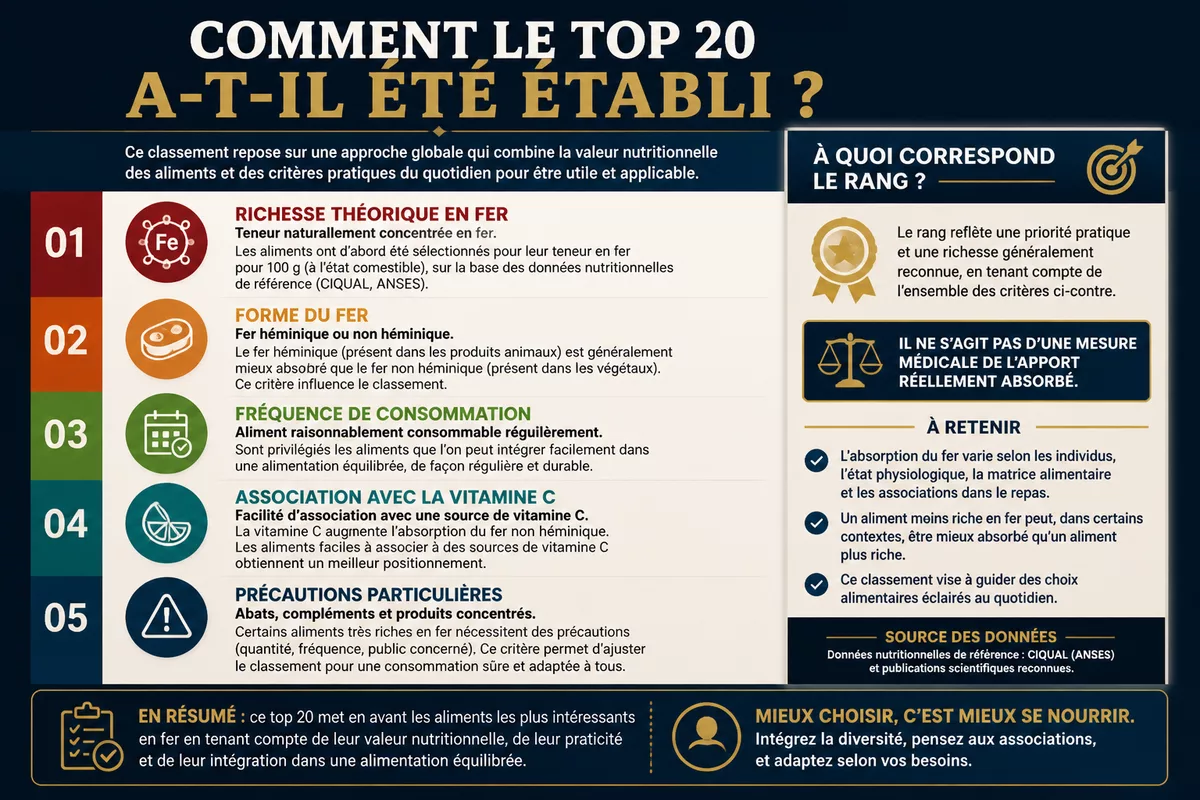
The rank thus indicates a practical priority and generally recognized richness, not a medical measurement of the actually absorbed intake. A food ranked lower can become very interesting when consumed regularly, in an appropriate portion, and with the right accompaniments.
- The theoretical iron richness of the product.
- The presence of heme or non-heme iron.
- The frequency with which the food can reasonably be consumed.
- The ease of pairing with a vitamin C source.
- Special precautions related to offal, supplements, or concentrated products.
“Iron content alone is not enough to predict the nutritional value of a food: the form of iron and the meal context also matter.”
Understanding Iron Before Choosing the Right Foods
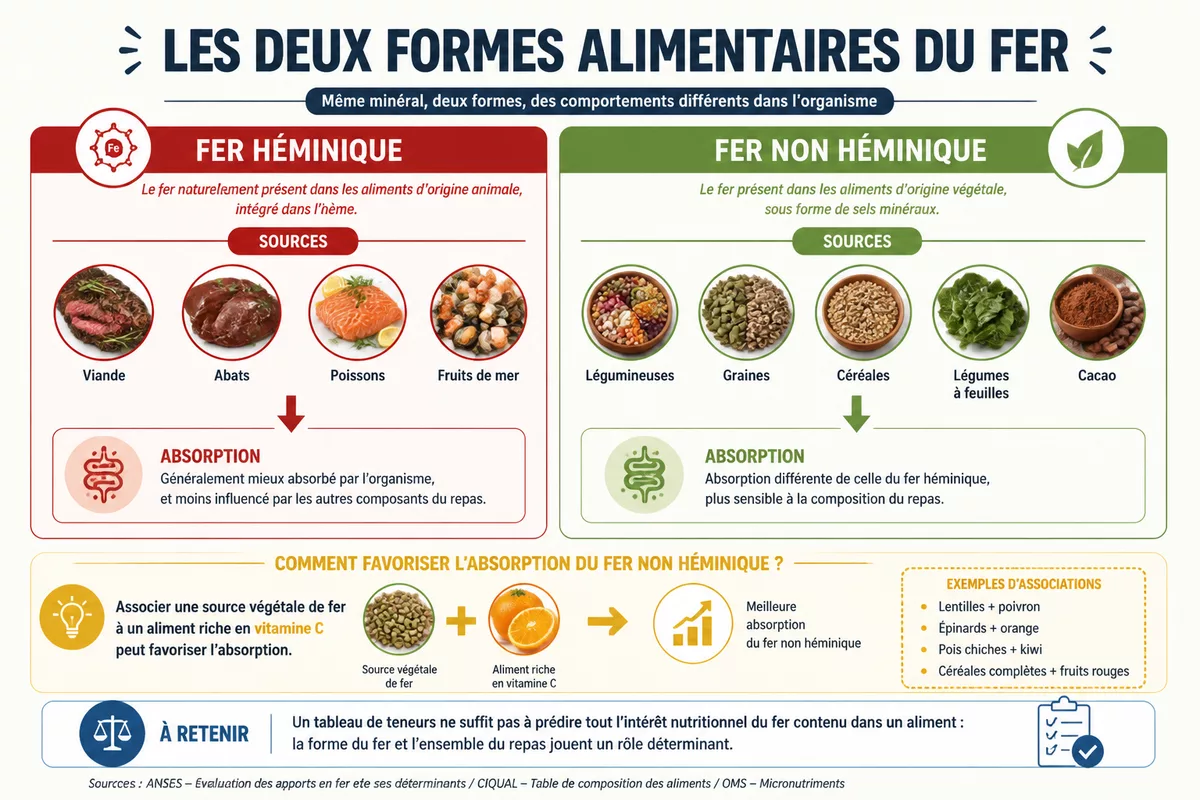
Iron is a mineral present in food in two main forms. Heme iron mainly comes from animal foods, while non-heme iron is primarily found in plants. The body does not absorb them in the same way, which explains why a table of contents never tells the whole story.
Heme Iron and Non-Heme Iron
Heme iron is present in meat, offal, fish, and seafood. Non-heme iron is found in legumes, seeds, cereals, leafy vegetables, and cocoa. A plant-based diet can therefore contain many iron-rich foods, provided sources are diversified and combinations are carefully managed.
Official nutritional recommendations do not involve treating anemia with a single food. A confirmed deficiency can have various causes, including blood loss, insufficient absorption, or special needs. Diagnosis relies on a healthcare professional and, if necessary, prescribed tests.
What are the 20 naturally most interesting foods?
The following twenty foods cover the main animal and plant sources of iron. The top ranks correspond to foods often very concentrated, while the following are selected for their practical interest, availability, or their place in a plant-based diet.
#1 — Black pudding
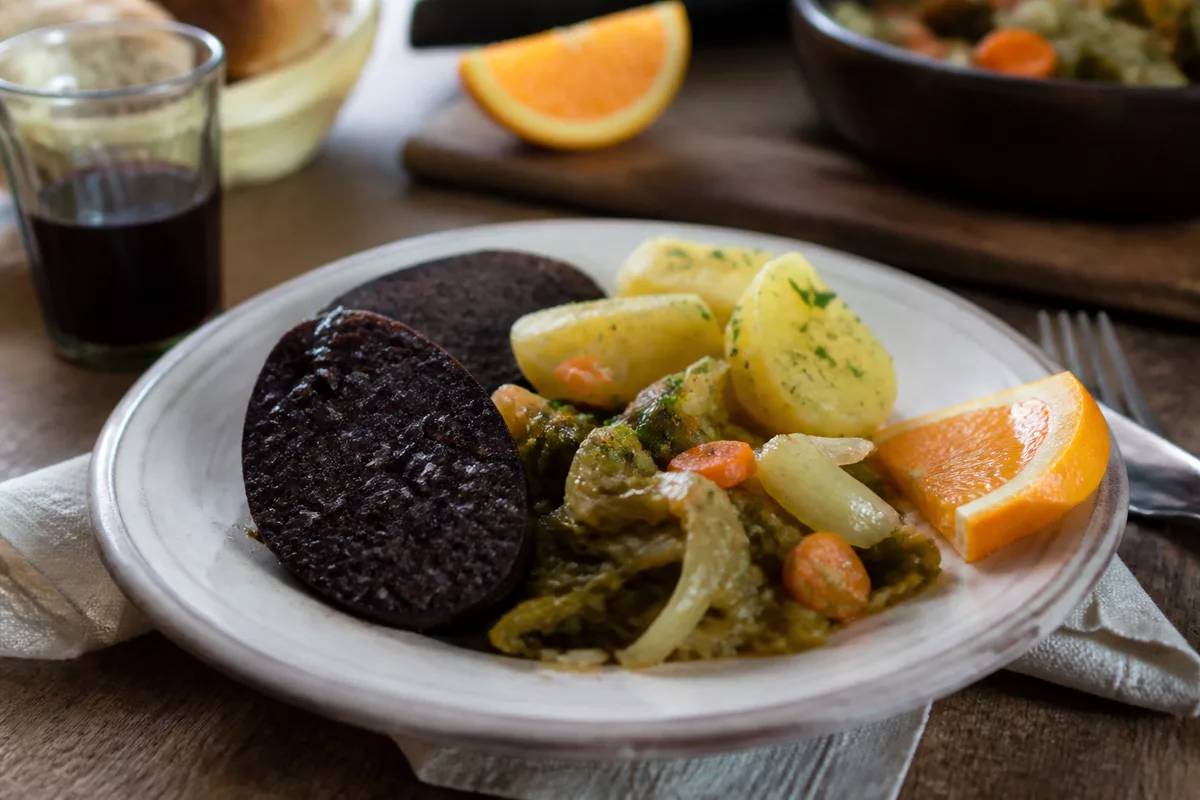
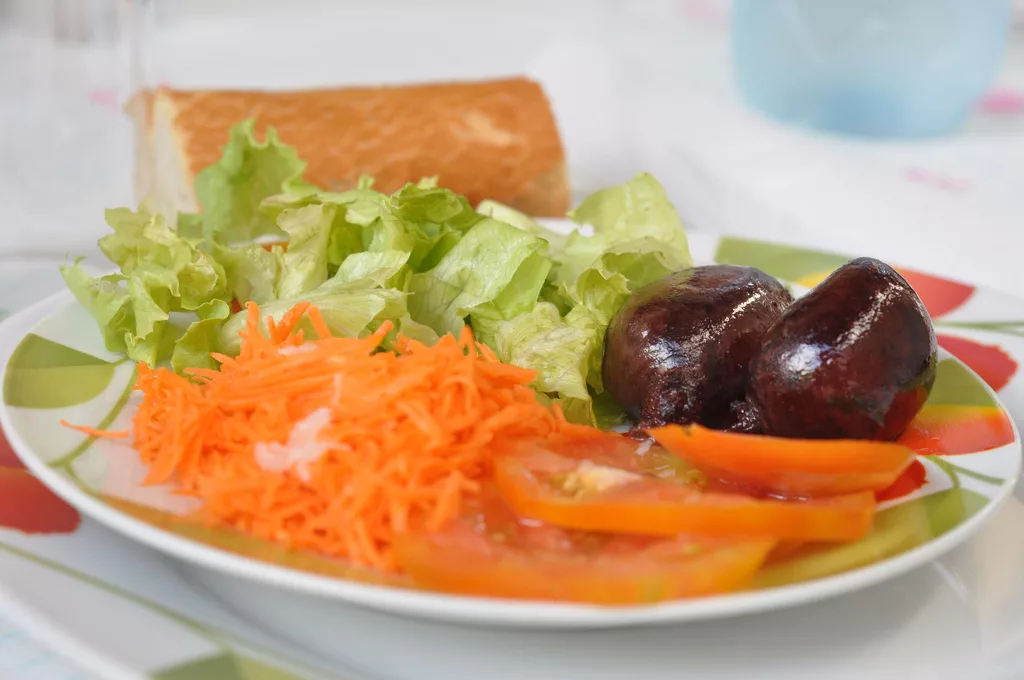
Black pudding traditionally ranks among the foods most concentrated in iron, as its recipe contains animal blood. Its iron is mostly heme iron, which distinguishes it from legumes and seeds. However, the composition varies depending on the recipe, the proportion of ingredients, and the level of processing.
Black pudding can be an interesting occasional source, but it should not become an automatic response to fatigue or a supposed deficiency. A portion accompanied by vegetables and a source of vitamin C fits more easily into a balanced meal than repeated consumption of charcuterie.
#2 — Liver
The liver of certain animals is known for its high iron concentration and also provides other micronutrients. Calf, poultry, or beef liver do not have exactly the same composition, and the content depends on the species as well as the preparation.
Offal is not necessarily suitable for frequent consumption by everyone. Preformed vitamin A, in particular, calls for special caution in pregnant women or those planning pregnancy. Personalized advice should be sought from a professional.
#3 — Clams
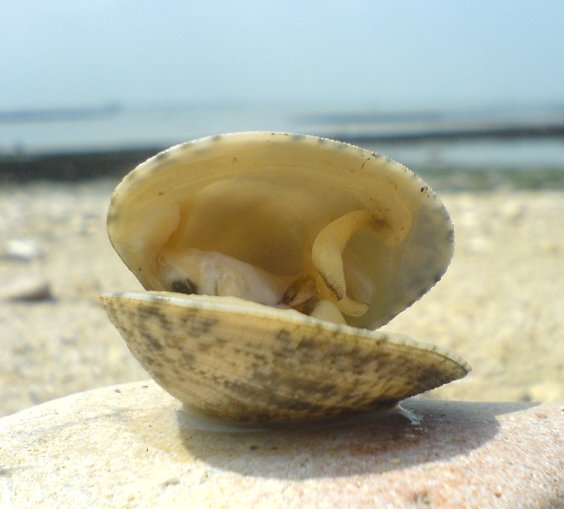
Clams and other bivalve shellfish can provide heme iron, in addition to proteins and minerals. Their place in the ranking depends on the species, origin, and the form consumed. Fresh, cooked, or canned products do not necessarily have the same values.
Food safety remains a priority with shellfish. Clams must come from a controlled source and be stored according to the seller’s instructions. Allergic or immunocompromised individuals should seek advice before consuming them.
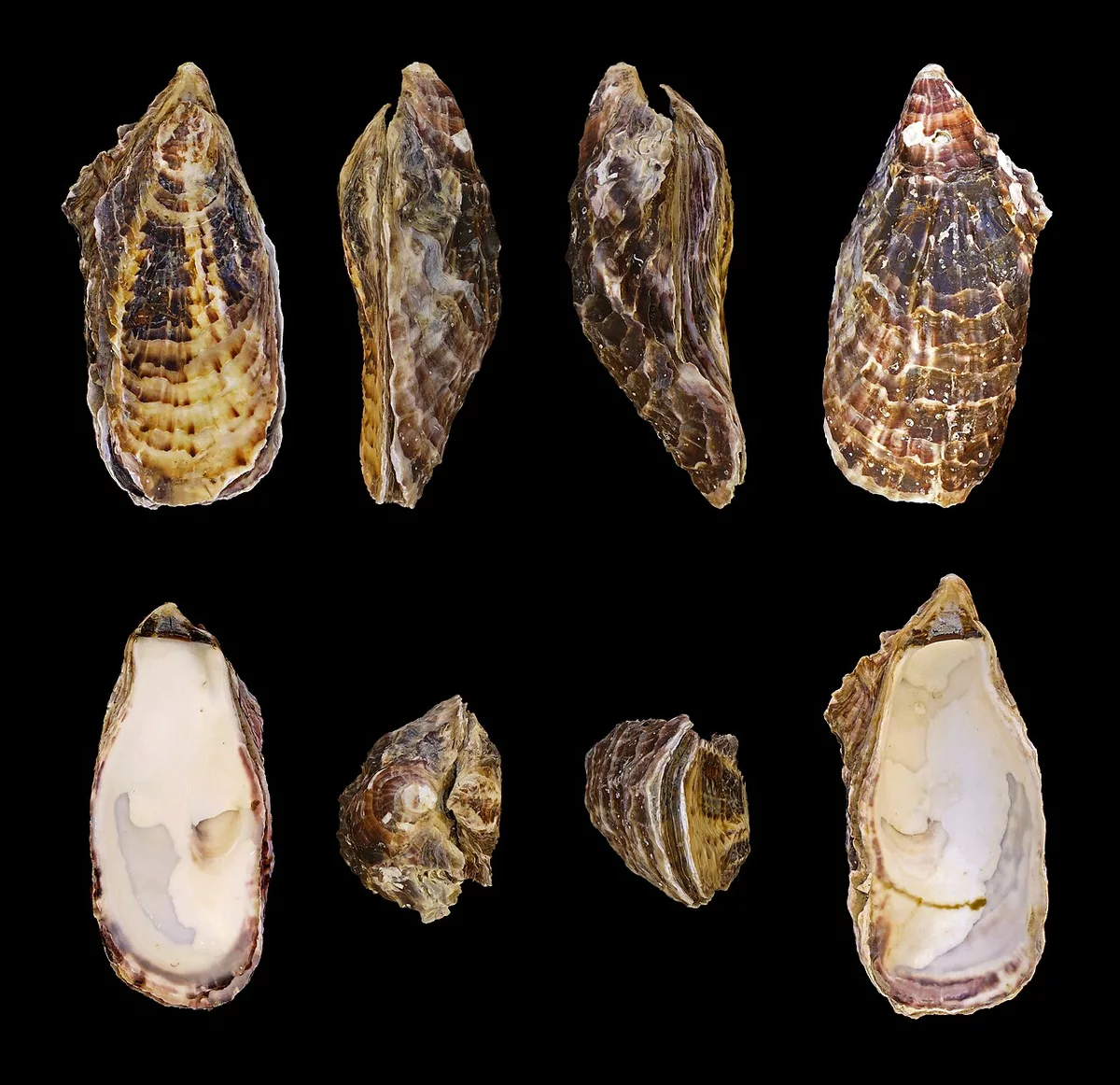
#4 — Oysters
Oysters provide iron, proteins, and several trace elements. Their nutritional interest is not limited to iron: season, origin, size, and preparation also influence the meal’s composition.
Raw consumption requires particular attention to freshness and the cold chain. People vulnerable to foodborne infections should follow the recommendations of Anses and their doctor rather than consider oysters as a universal source of minerals.
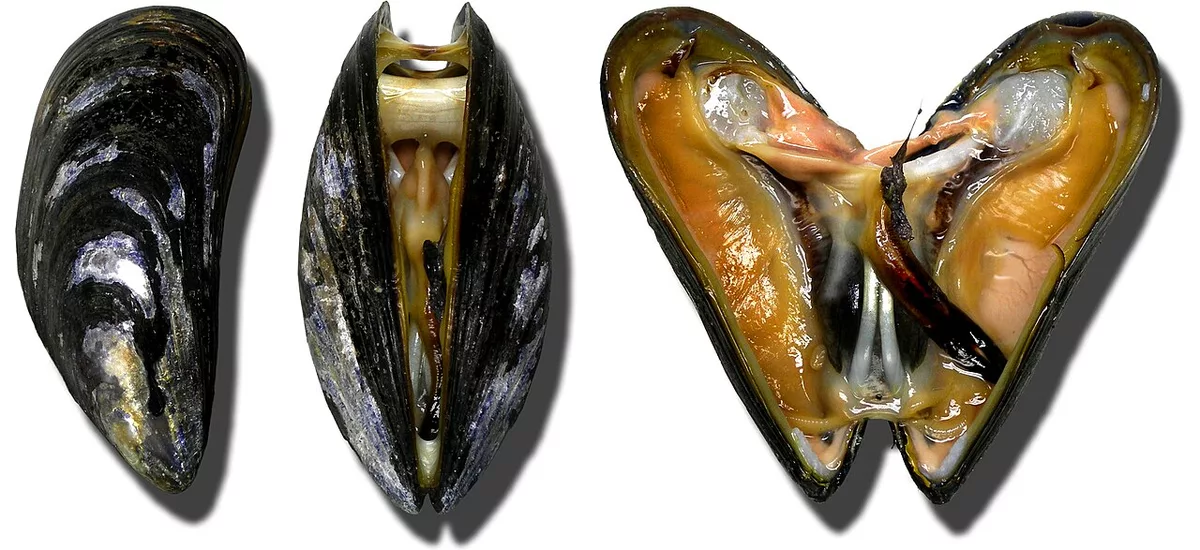
#5 — Mussels
Mussels are a marine source of iron that can be incorporated into simple recipes: marinière, warm salad, or as a side to cereals. The iron is associated with a food matrix that also contains proteins and minerals.
Canned mussels can be convenient, but their salt content and composition vary depending on the recipe. To compare a product, the nutritional label remains more reliable than a general estimate found in an online list.
#6 — Beef
Beef provides heme iron, with content varying depending on the cut and cooking method. Lean cuts can fit into a balanced diet without making red meat a mandatory food.
The frequency of consumption should be considered within the overall diet. Alternating meat, fish, eggs, legumes, and plant-based options helps diversify intake. Public health guidelines should be consulted to adjust the role of red meat.
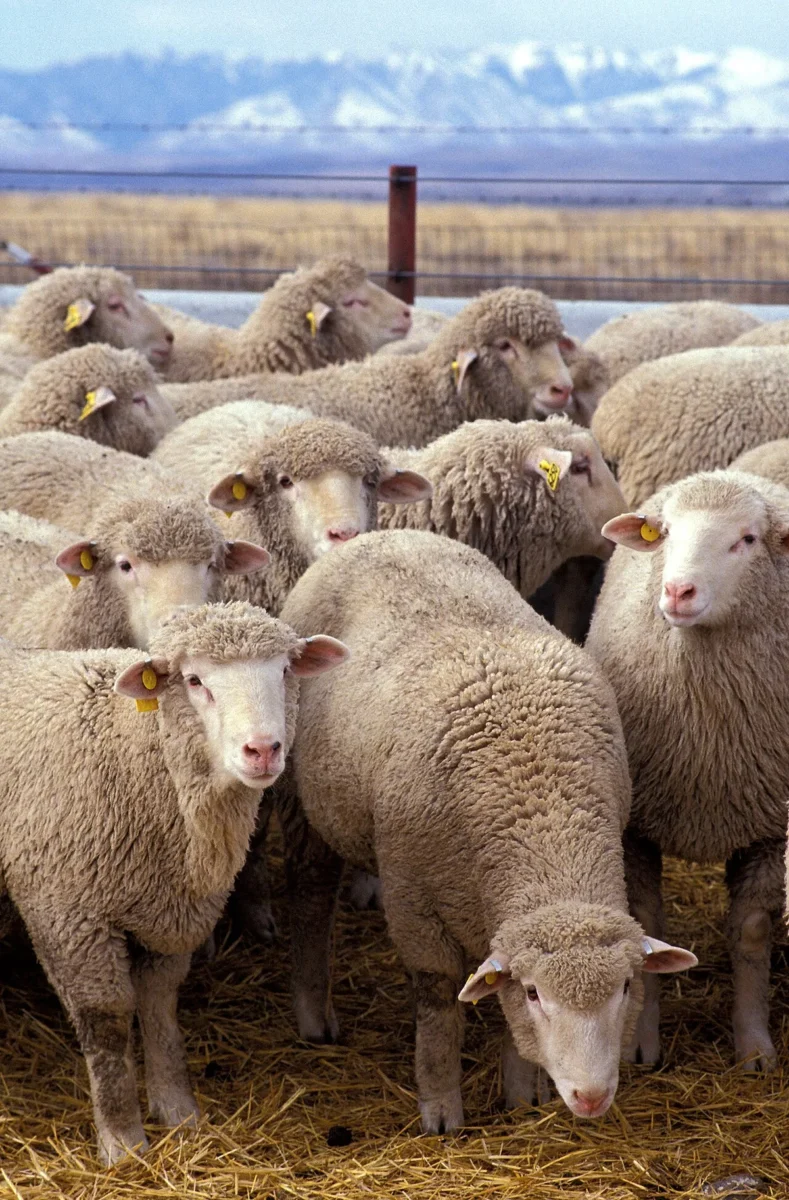
#7 — Lamb
Lamb also provides heme iron, but its content depends on the cut and the amount of fat. A piece cooked with vegetables, legumes, or a salad containing lemon can make a more varied meal.
Lamb is not essential to meet iron needs. People who do not consume it can turn to other animal sources in the ranking or to well-chosen plant-based combinations.
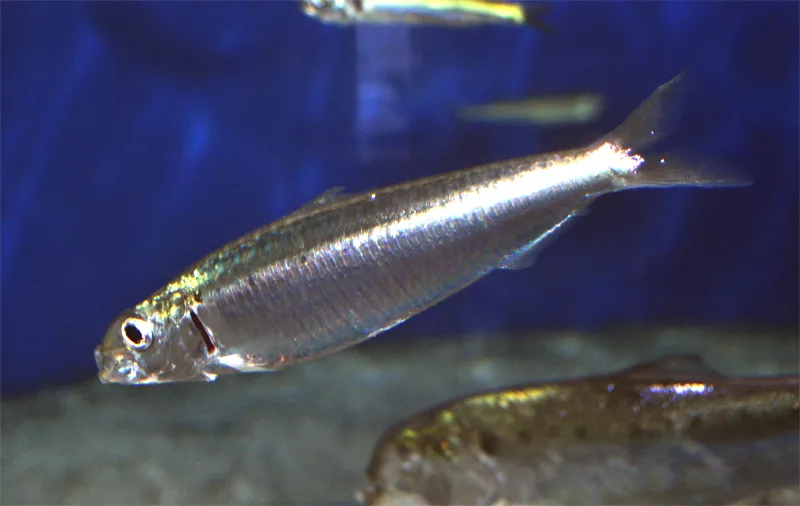
#8 — Sardines
Sardines provide iron in variable amounts depending on their presentation, while also supplying proteins and marine lipids. Canned sardines are easy to store and can complement a vegetable salad or a slice of bread.
The choice between fresh and canned sardines mainly depends on the recipe, added salt, and preferences. The can does not replace a varied diet but can be a practical solution when time is short.
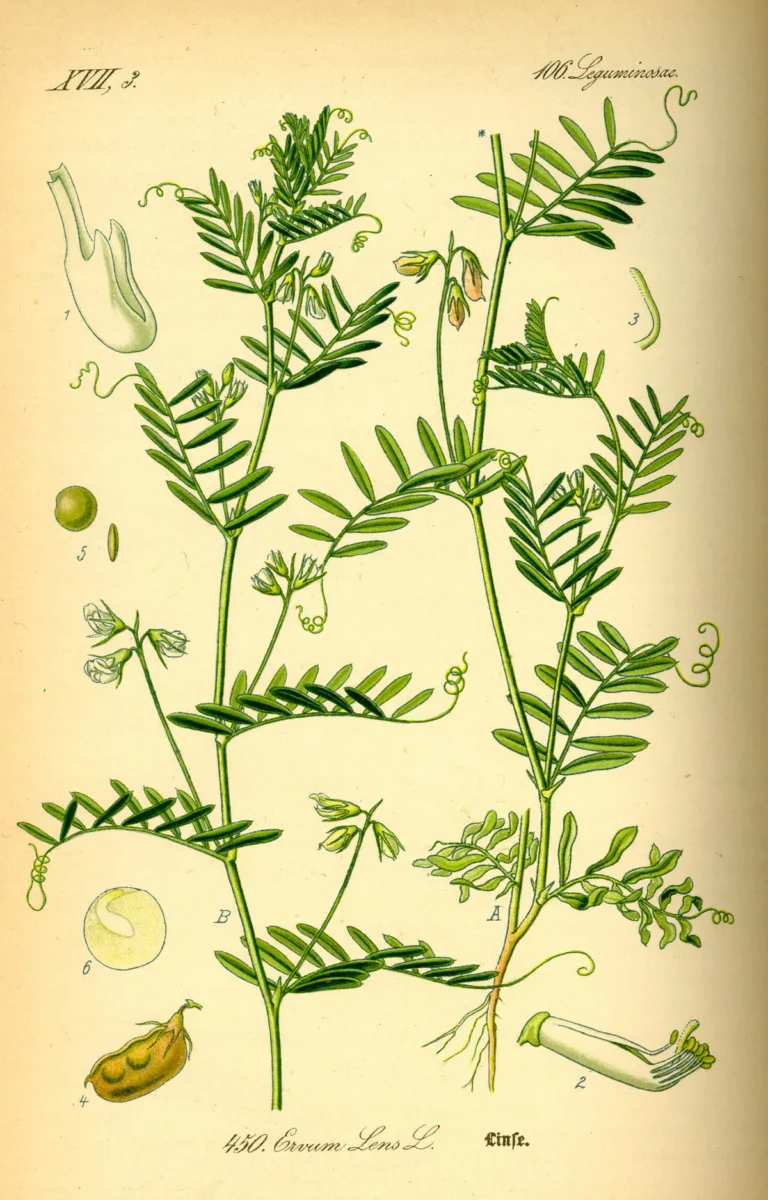
#9 — Lentils
Lentils are among the simplest plant foods rich in iron to cook. Green, brown, blonde, or coral lentils allow for varied textures and recipes. Their iron is non-heme, but their protein and fiber content enhances their nutritional value.
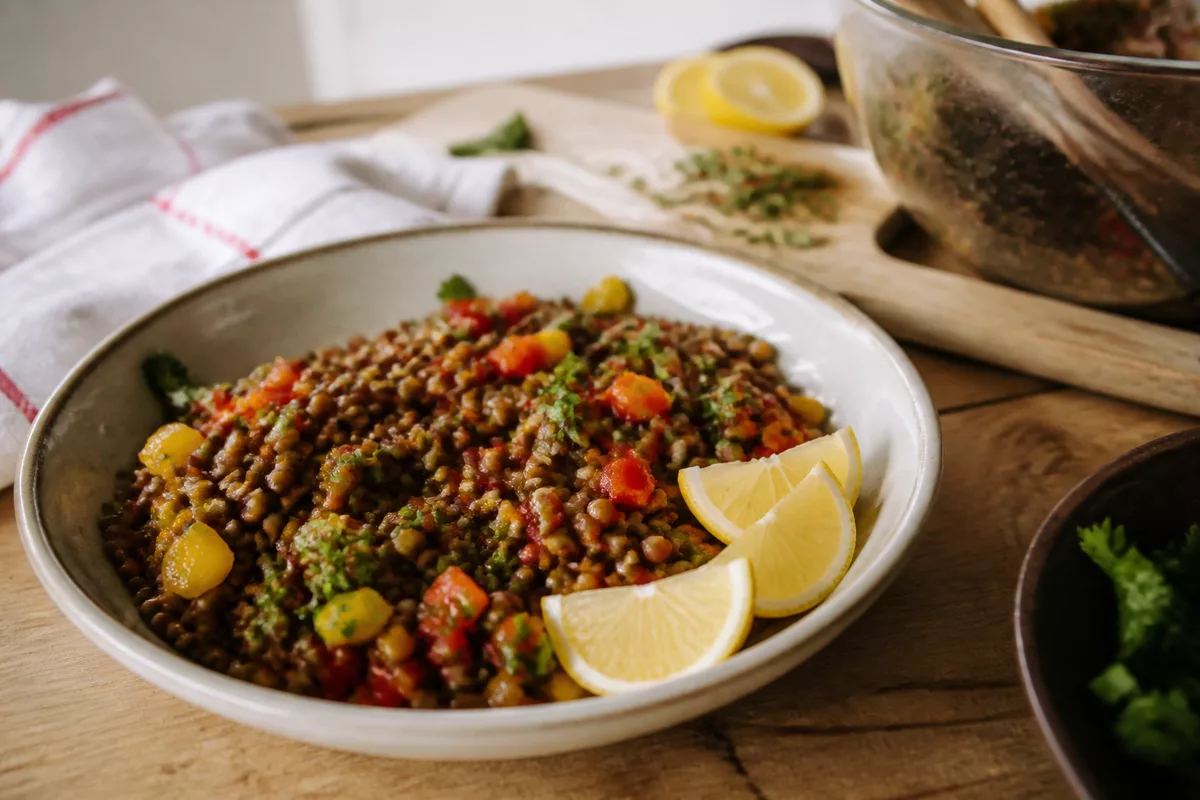
A lentil salad with bell pepper, tomato, parsley, or citrus combines a legume with foods rich in vitamin C. Soaking, appropriate cooking, and ingredient variety can also improve the dish’s digestibility.
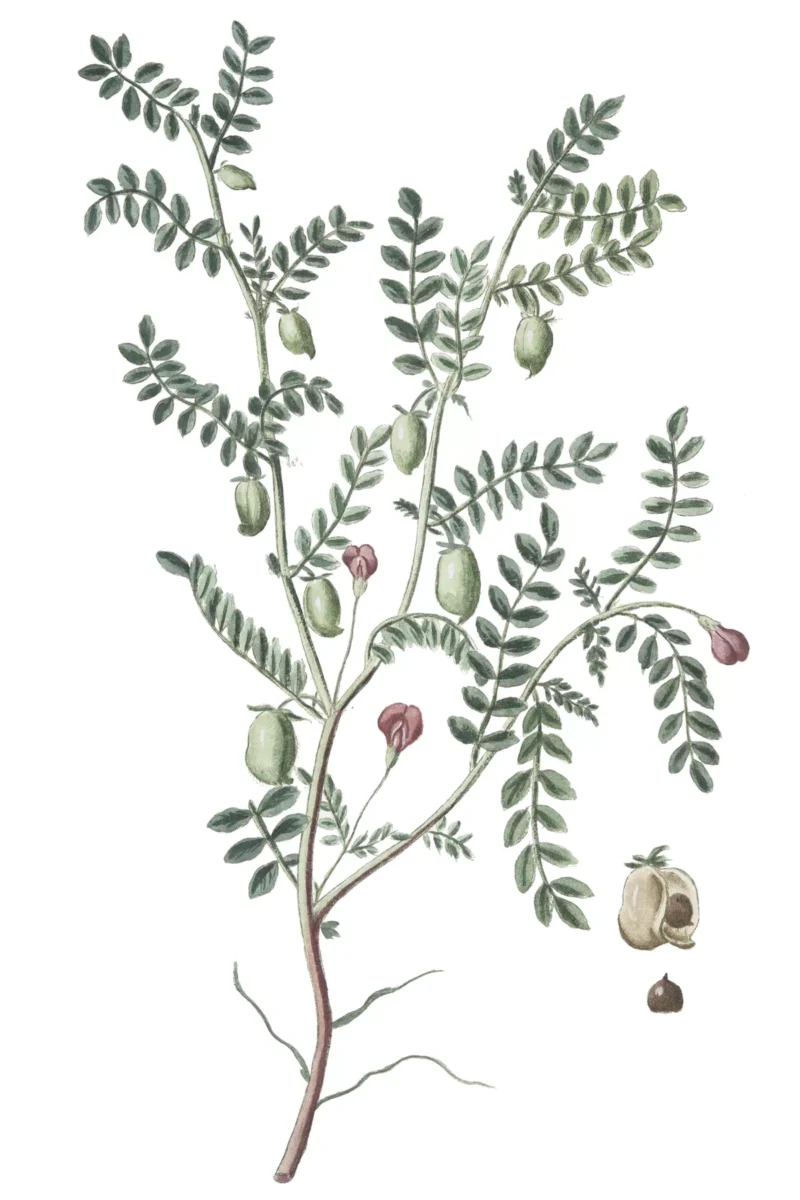
#10 — Chickpeas
Chickpeas provide non-heme iron, plant-based proteins, and fiber. They are used in hummus, salads, curries, soups, or stews. Their canned form makes daily use easier, provided they are rinsed to reduce some of the salt.
Chickpeas benefit from being paired with raw or cooked vegetables rich in vitamin C. A lemon vinaigrette, a raw bell pepper, or a portion of cabbage can complement the meal without resorting to a concentrated product.
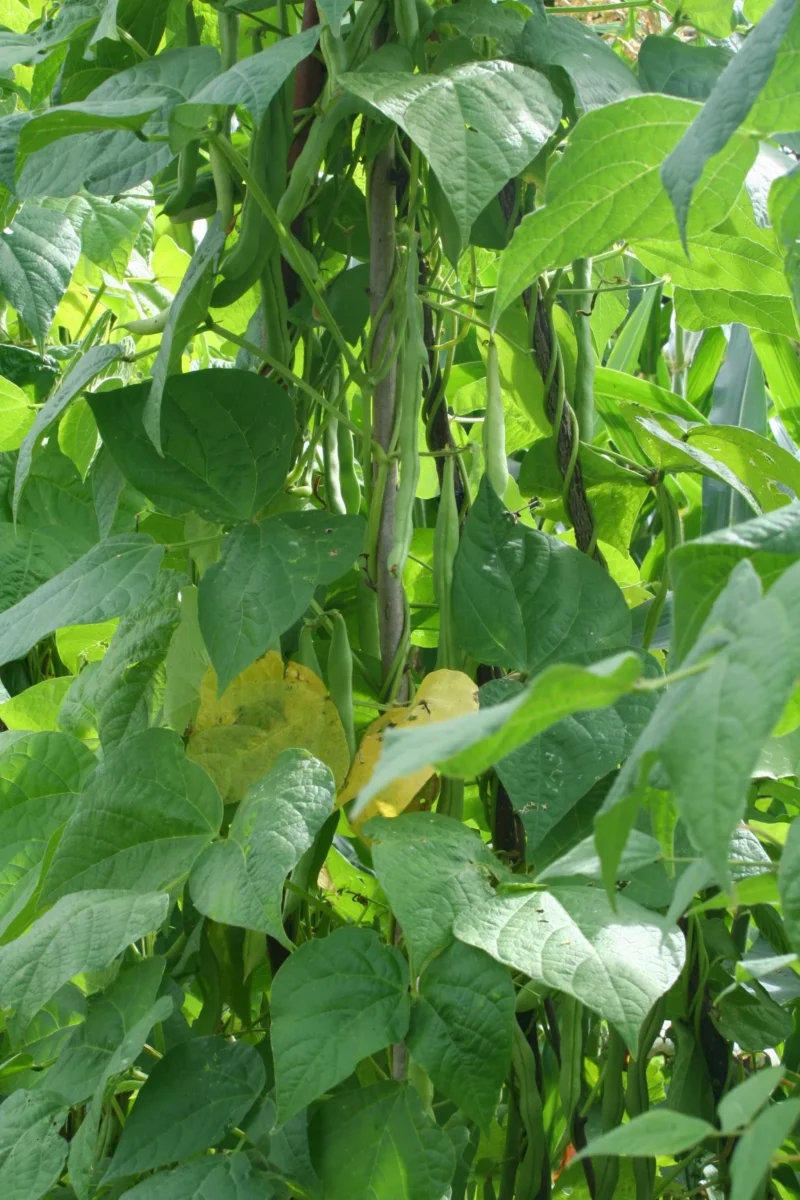
#11 — Dried Beans
White, red, or black beans provide non-heme iron, fiber, and plant-based proteins. Their value depends on the variety, whether dry or cooked, and the recipe. Dried beans require proper preparation, while canned versions are ready to use immediately.
A vegetarian chili with beans, tomato, and bell pepper illustrates an interesting nutritional combination. People sensitive in terms of digestion can start with small portions and gradually increase.
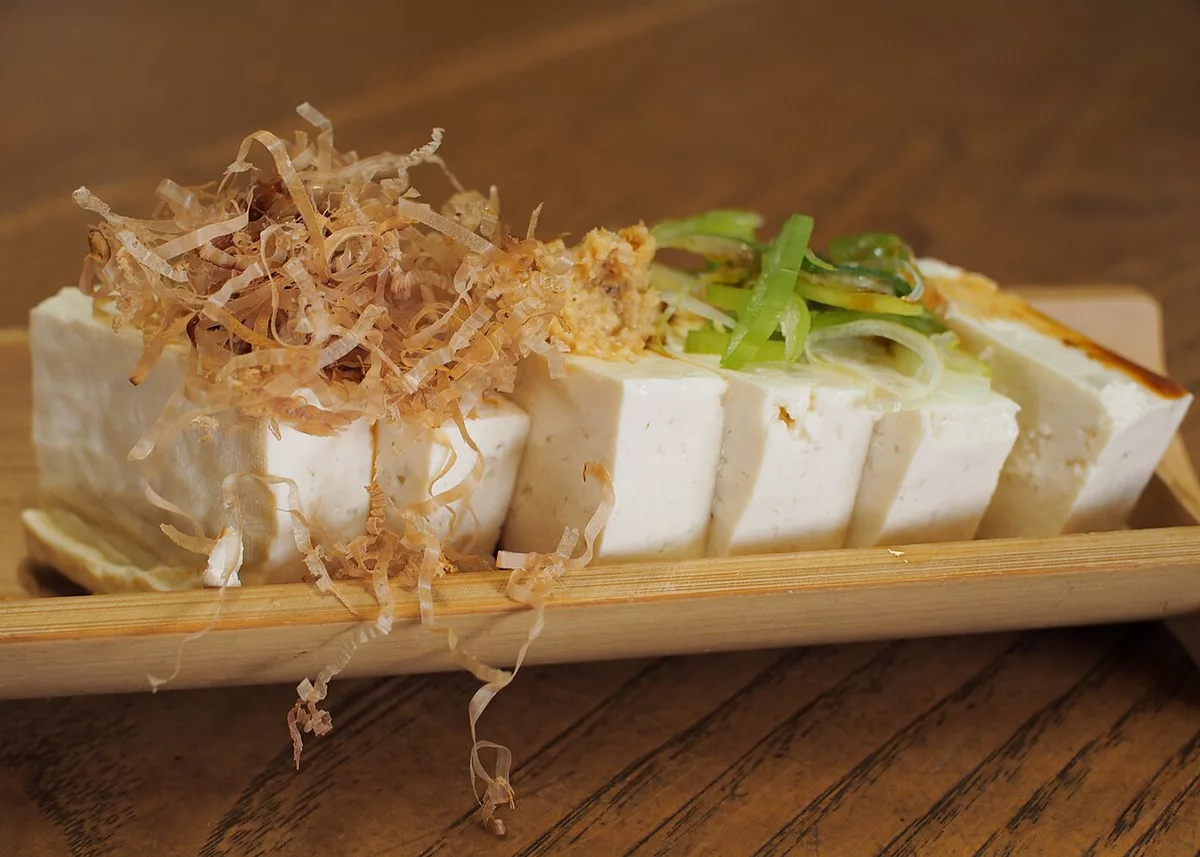
#12 — Tofu
Tofu is a soy-based food that can contain non-heme iron. Its composition depends on the manufacturing process, notably the possible use of calcium salts. Firm, smoked, or silken tofu therefore does not always have the same nutritional profile.
Tofu is cooked with vegetables, grains, and a sauce containing lemon or other acidic ingredients. Reading the label allows you to check the exact iron content of the purchased product.
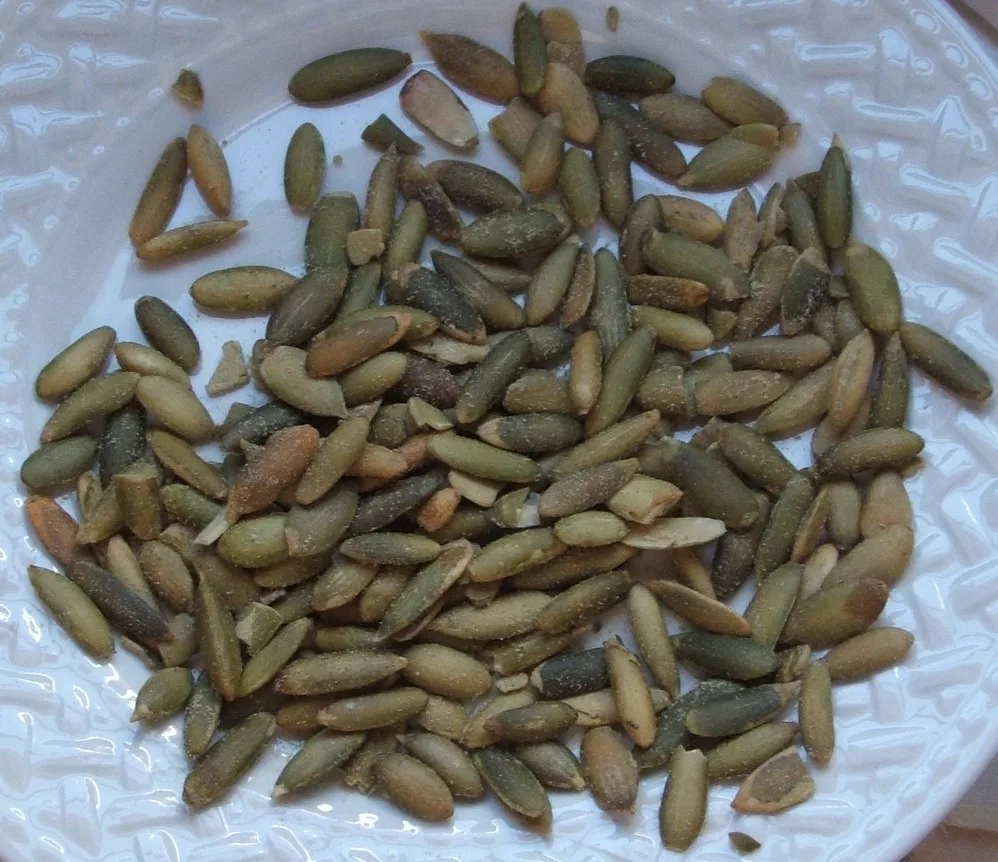
#13 — Pumpkin Seeds
Pumpkin seeds are among the most interesting seeds for enriching a meal with non-heme iron. They also provide lipids and proteins, which explains their energy density. A small amount is enough to add crunch to a salad, soup, or porridge.
Roasting, salting, and portion size affect the overall value of the product. Natural or lightly salted seeds are easier to incorporate into a balanced diet.
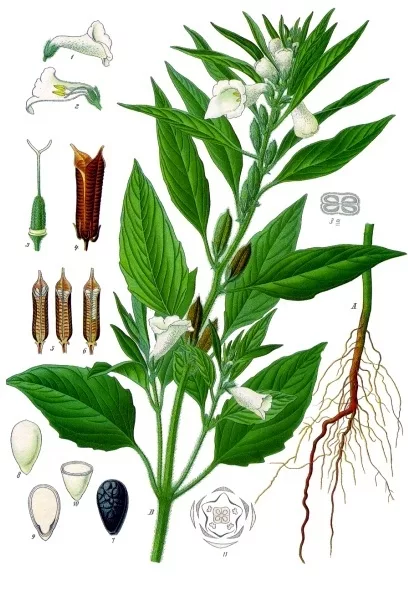
#14 — Sesame and Tahini
Sesame contains non-heme iron and is consumed in the form of seeds, paste, or tahini. Sesame paste is added to hummus, sauces, and spreads, but it remains energy-dense. The ranking therefore concerns a food that is interesting in an appropriate dose, not an ingredient to multiply without limit.
Tahini combined with lemon, parsley, and chickpeas forms a coherent sauce base for a plant-based meal. People allergic to sesame seeds should naturally avoid it.
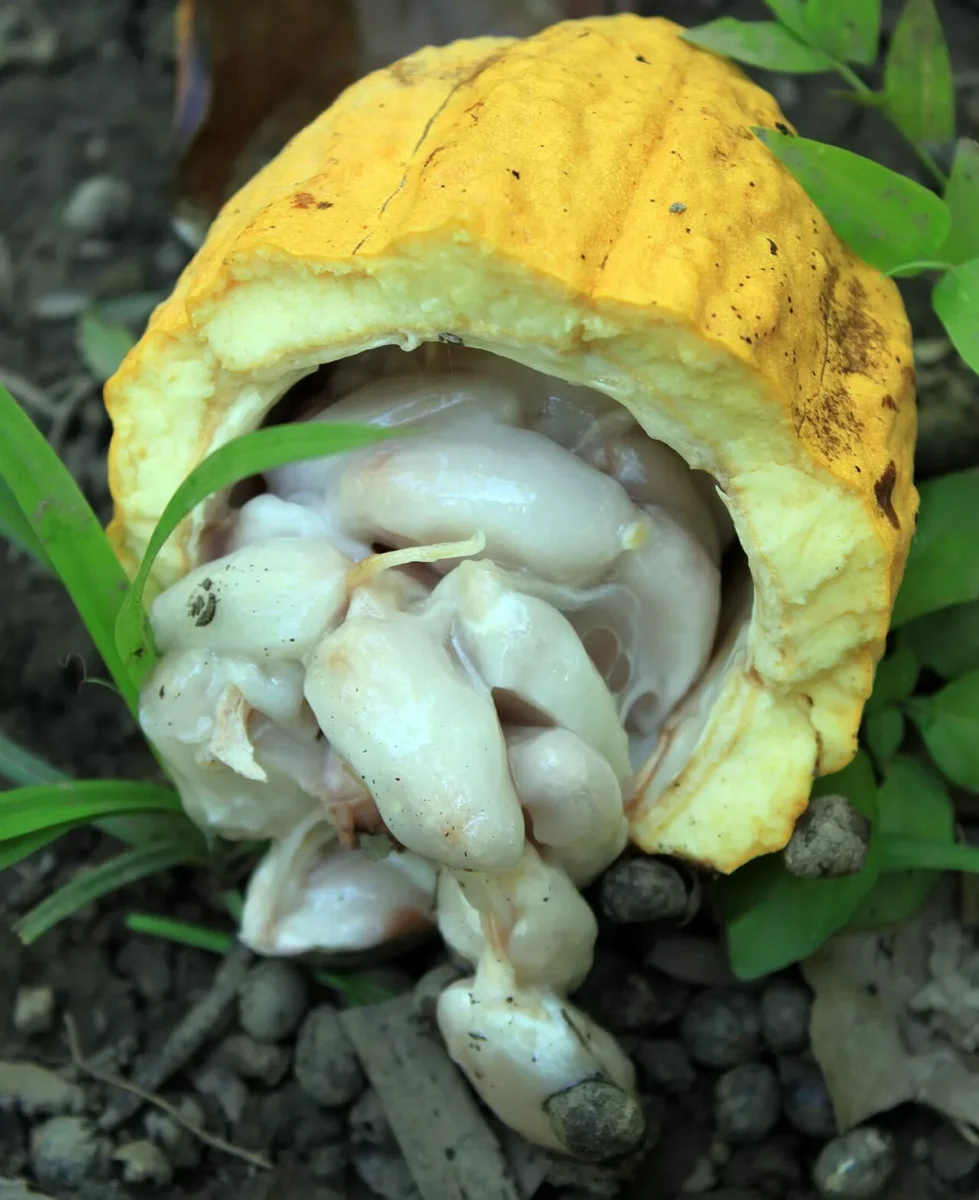
#15 — Unsweetened Cocoa
Unsweetened cocoa can enrich a diet with non-heme iron, notably in a drink, porridge, or a lightly sweetened dessert. Cocoa powder should not be confused with a very sweetened chocolate powder, whose composition is different.
Cocoa remains a concentrated and sometimes stimulating product due to its naturally occurring compounds. Quality, origin, and sugar content should be checked on the label, especially in case of regular consumption.
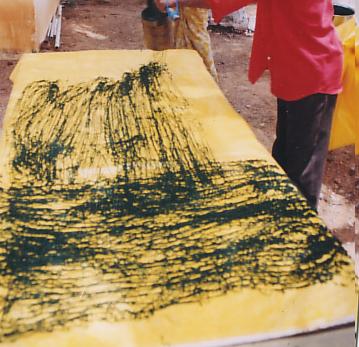
#16 — Spirulina
Spirulina is a microalga sold in powder or tablet form. It contains iron, but its content and quality strongly depend on the product. Spirulina should not be presented as a treatment for deficiency, nor as an indispensable food.
Contamination by toxins or heavy metals is a point of vigilance for poorly controlled products. Anses recommends particular caution with spirulina-based supplements, especially for children, pregnant or breastfeeding women, and people with a pathology or undergoing treatment.
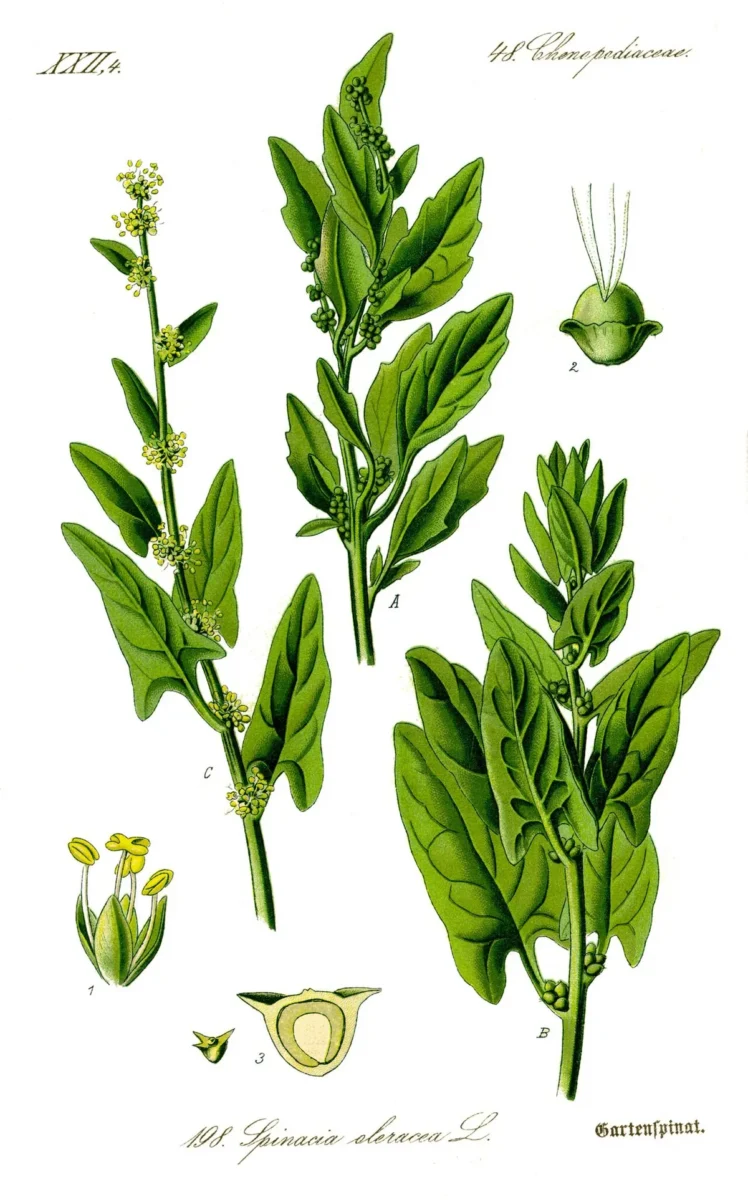
#17 — Spinach
Spinach is regularly cited among iron-rich foods, but its content is not enough to place it on the same level as offal or certain shellfish. The iron in spinach is non-heme and its absorption is influenced by the overall composition of the meal.
However, spinach can complement an omelet, a lentil salad, or a chickpea dish. Appropriate cooking reduces the volume of the leaves and facilitates the integration of a reasonable portion into the meal.
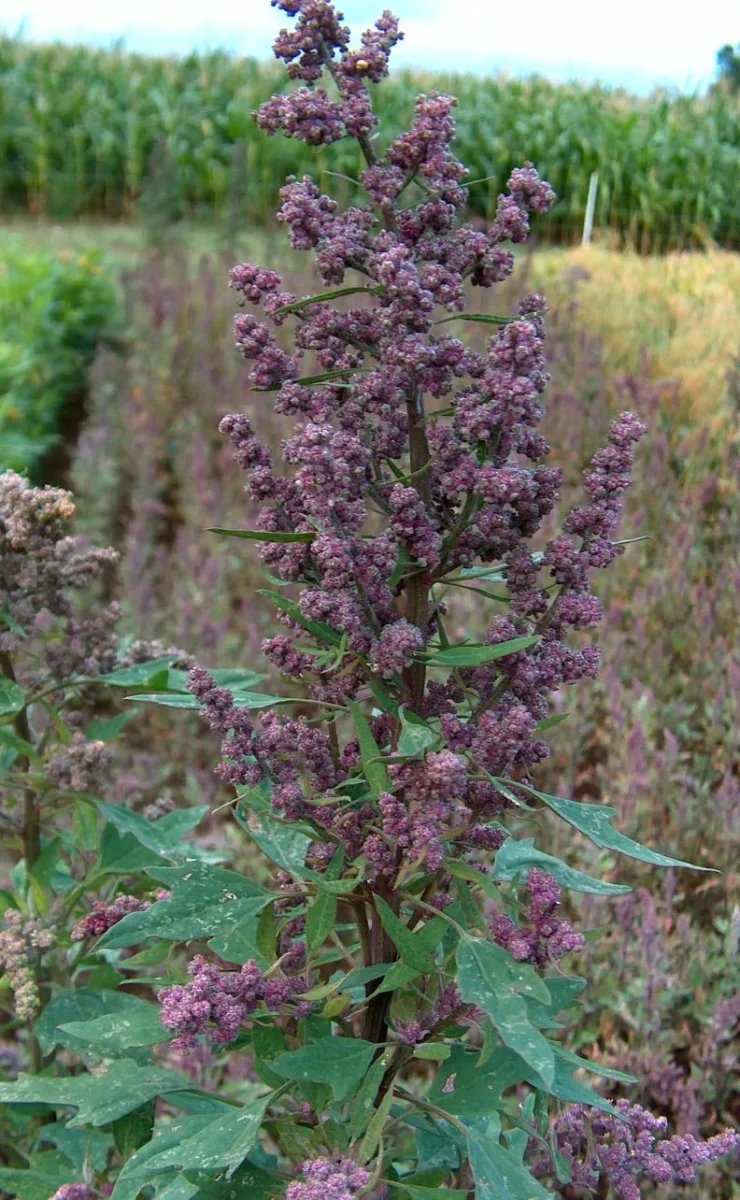
#18 — Quinoa
Quinoa provides non-heme iron, plant-based proteins, and complex carbohydrates. Its main appeal lies in its versatility: it can replace rice or couscous in a salad, a side dish, or a complete meal.
Quinoa is not a standalone solution against deficiency. A plate combining quinoa, chickpeas, colorful vegetables, and a lemony sauce offers a more interesting structure than a simple side dish eaten alone.
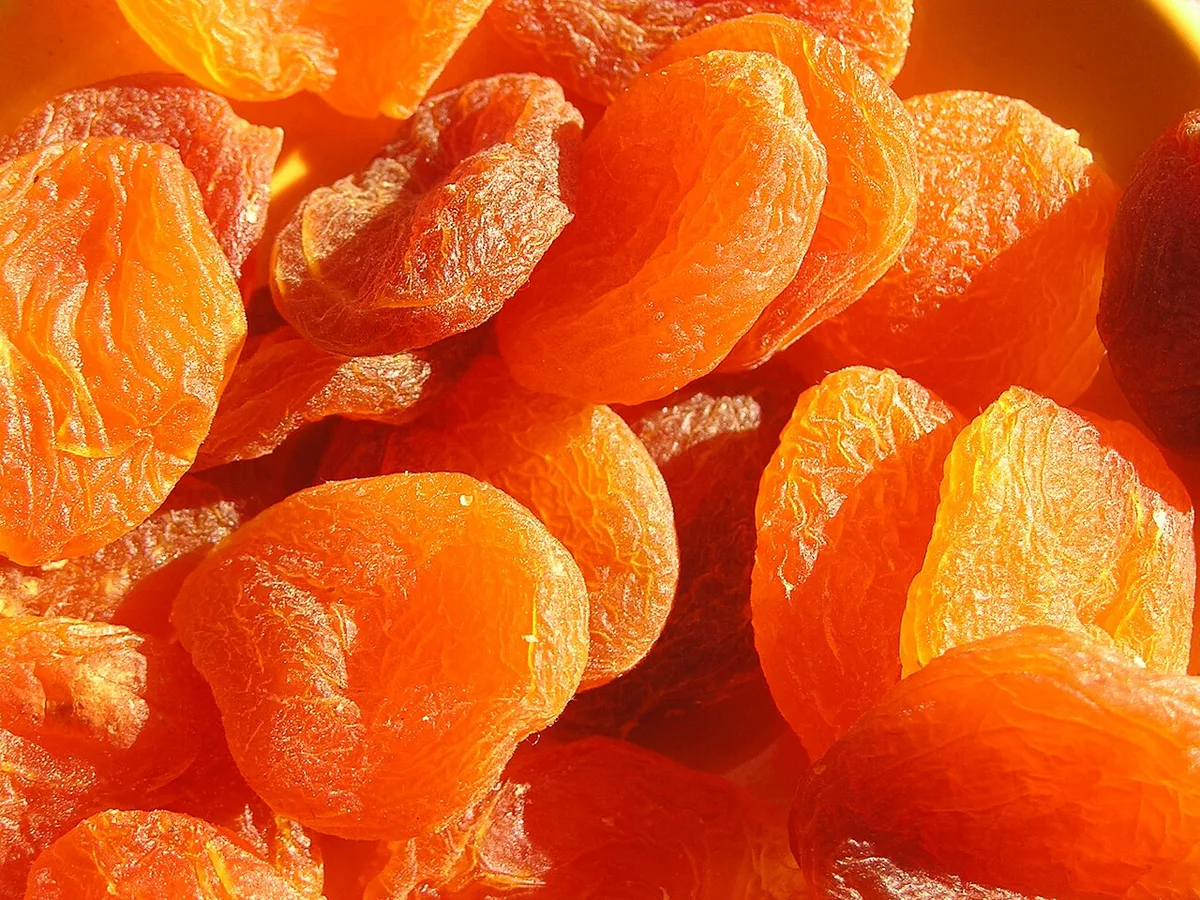
#19 — Dried apricots
Dried apricots contain non-heme iron and can be added to a nut mix, porridge, or tagine. Their drying process concentrates sugars and energy, which suggests considering them as an ingredient or a small portion rather than an equivalent fresh fruit.
The composition varies depending on the drying process and added ingredients. The label helps identify products containing added sugars or preservatives.
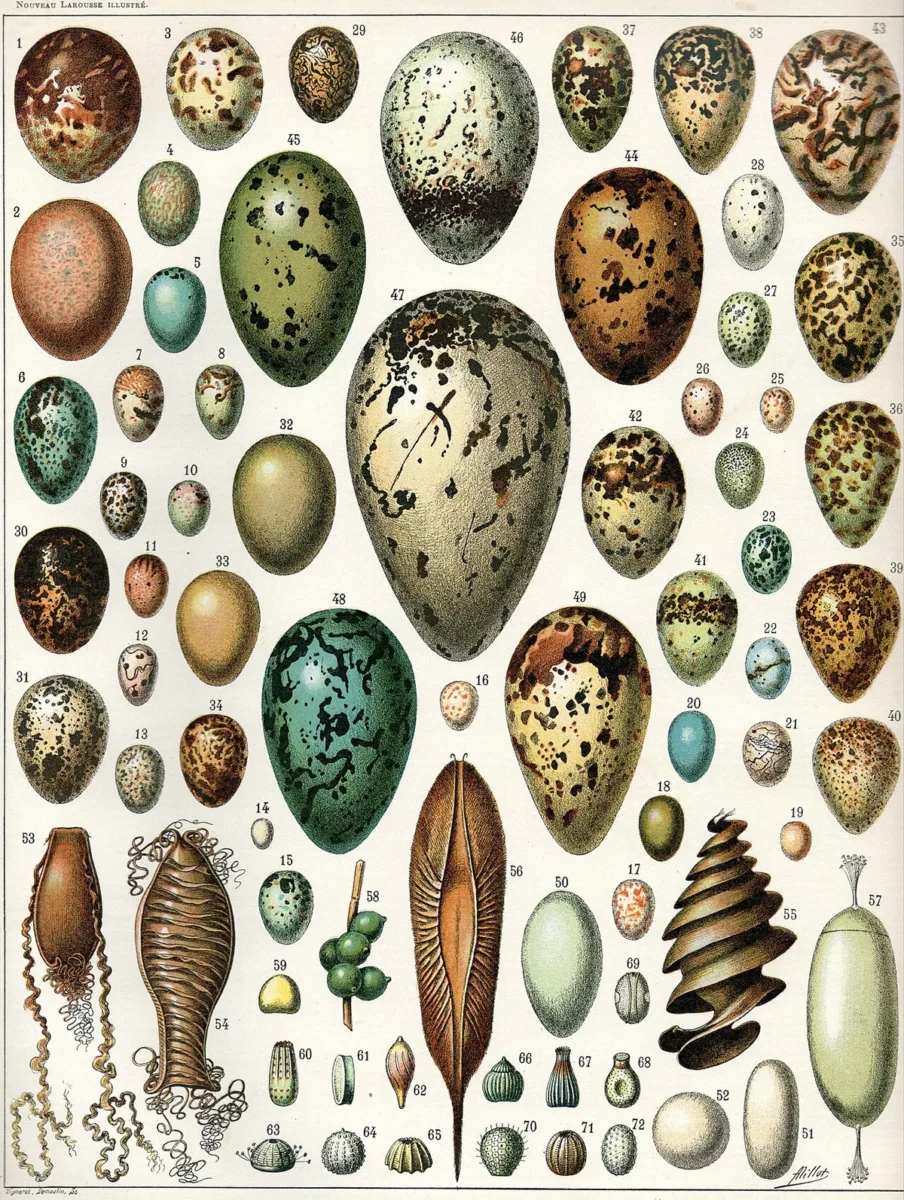
#20 — The egg
The egg provides iron in moderate amounts and remains easy to incorporate into an omnivorous or flexitarian diet. Hard-boiled eggs, omelets, poached eggs, or cooked preparations allow meal variety without relying on a single type of meat.
The egg does not replace foods richest in iron, but it can complement a plate combining vegetables, legumes, and cereals. Storage and cooking recommendations should be followed to limit food safety risks.
What is the practical ranking of the 20 iron sources?
The following table summarizes the proposed hierarchy. The terms “very high,” “high,” or “moderate” are intentionally qualitative, as the exact content depends on the database, variety, cooking, and portion. To obtain an updated numerical value, consult the Ciqual table from Anses.
| Rank | Food | Dominant type of iron | Indicative richness | Practical use |
|---|---|---|---|---|
| 1 | Black pudding | Heminic | Very high | Occasional meal |
| 2 | Liver | Heminic | Very high | Offal to consume with caution |
| 3 | Clams | Heminic | Very high | Seafood dish |
| 4 | Oysters | Heminic | High | Starter or meal |
| 5 | Mussels | Heminic | High | Quick recipe |
| 6 | Beef | Heminic | High | Main course |
| 7 | Lamb | Heminic | High | Main course |
| 8 | Sardines | Heminic | Moderate to high | Canned or fresh fish |
| 9 | Lentils | Non-heminic | High | Salad or stew |
| 10 | Chickpeas | Non-heminic | High | Hummus or curry |
| 11 | Dry beans | Non-heminic | High | Chili or soup |
| 12 | Tofu | Non-heminic | Variable | Stir-fry or marinade |
| 13 | Pumpkin seeds | Non-heminic | High | Topping or snack |
| 14 | Sesame and tahini | Non-heminic | High | Sauce or spread |
| 15 | Unsweetened cocoa | Non-heminic | High | Porridge or dessert |
| 16 | Spirulina | Non-heminic | Variable | Concentrated product to monitor |
| 17 | Spinach | Non-heminic | Moderate | Omelette or side dish |
| 18 | Quinoa | Non-heminic | Moderate | Base of a plant-based plate |
| 19 | Dried apricots | Non-heminic | Moderate | Small portion |
| 20 | Egg | Mixed, mostly non-heminic | Moderate | Omelette or salad |
How to improve iron absorption daily?
Vitamin C is the simplest association to remember for plant-based sources of iron. Citrus fruits, kiwi, strawberries, bell peppers, tomatoes, broccoli, and cabbage can accompany lentils, chickpeas, beans, seeds, or tofu. The goal is not to create a complicated recipe, but to bring the foods closer together in the same meal.
A lentil salad with bell pepper and lemon juice is more coherent than a portion of lentils systematically consumed with tea. Foods rich in polyphenols, including some beverages like tea and coffee, can reduce the absorption of non-heminic iron when taken at the same time.
- Combine legumes and vegetables rich in vitamin C.
- Add lemon, parsley, or bell pepper to plant-based dishes.
- Avoid drinking tea or coffee exactly at the same time as a meal focused on plant-based iron.
- Vary sources instead of relying on a single food.
- Consult a professional if a deficiency is confirmed or suspected.
Preparation can also affect digestibility and the overall quality of the meal. Soaking legumes, cooking them thoroughly, and rinsing canned goods are useful culinary practices, without turning cooking into a medical protocol. To deepen the question of plant compounds, you can consult this article on foods rich in polyphenols.
Which foods to choose according to your dietary profile?
For an omnivorous diet, combining an animal source with plant-based foods allows for meal variety. Meat, fish, eggs, legumes, and vegetables can alternate throughout the week. Diversity remains more useful than an exceptionally rich meal consumed rarely.
For a vegetarian or vegan diet, lentils, beans, chickpeas, tofu, pumpkin seeds, tahini, and quinoa form a practical base. Special attention must be paid to all nutrients, not just iron. A dietitian can help verify the balance of a restrictive diet or a regimen excluding several food groups.
People who experience persistent fatigue, paleness, unusual shortness of breath, dizziness, or decreased exercise tolerance should seek medical advice. These signs do not prove an iron deficiency and do not justify self-medication with iron or spirulina.
Which alternatives to choose for the most concentrated foods?
Black pudding and liver are very concentrated, but they do not suit all tastes or situations. Shellfish and fish represent animal alternatives, while legumes and seeds are better suited to a plant-based diet. The right option therefore depends more on the dietary profile and feasible frequency than on a single ranking.
| Need or preference | Options to prioritize | Points of caution |
|---|---|---|
| Highly concentrated animal source | Black pudding or liver | Occasional consumption and precautions related to offal |
| Seafood meal | Clams, oysters, mussels, or sardines | Origin, freshness, and storage |
| Vegetarian diet | Lentils, chickpeas, tofu, and seeds | Regularly combine with a source of vitamin C |
| Quick meal | Canned sardines, chickpeas, or tahini | Check salt content and composition |
| Concentrated product | Unsweetened cocoa or spirulina | Do not confuse nutritional richness with treatment |
Nettle powder is sometimes presented as a plant-based source of iron, but concentrated products require composition verification and usage precautions. An article dedicated to nettle powder and its iron contribution can complement this approach without replacing professional advice.
How to compose an iron-rich meal: the steps
An appropriate plate does not require gathering all the foods from the list. The method consists of choosing a main source, adding a side that promotes absorption, and avoiding habits that may hinder it.
- Choose a main source: lentils, chickpeas, tofu, fish, shellfish, meat, or egg.
- Add a plant-based food rich in vitamin C, such as bell pepper, tomato, cabbage, kiwi, or a citrus fruit.
- Complete with a starch, vegetables, and a fat according to the recipe.
- Avoid systematically replacing water with tea or coffee during the meal.
- Observe persistent signs and seek medical advice if a deficiency is possible.
Which common mistakes should be avoided?
The most common mistakes stem from confusion between content and absorption, or excessive trust in foods presented as miracle solutions. These pitfalls concern both omnivores and vegetarians alike.
- Relying solely on the ranking. A food very rich in iron does not guarantee that the amount consumed will be sufficient or well absorbed.
- Confusing spinach with treatment of deficiency. Spinach can complement a meal, but it does not alone correct a diagnosed anemia.
- Taking iron without assessment. A supplement may be inappropriate or poorly tolerated and should be advised by a professional.
- Drinking tea with every plant-based meal. Polyphenols can limit the absorption of non-heme iron taken at the same time.
- Multiplying concentrated powders. Spirulina, nettle, or cocoa require quality checks, composition verification, and precautions.
“A food rich in iron can enrich a plate, but it does not replace a biological assessment nor the search for the cause of a deficiency.”
Meal ideas with iron-rich foods
A breakfast can combine unsweetened cocoa porridge, pumpkin seeds, and a fruit rich in vitamin C. This combination provides several plant-based sources, but it remains a dietary example and does not constitute a prescribed quantity.
For lunch, a lentil salad with bell pepper, tomatoes, parsley, and lemon vinaigrette offers a simple combination. Dinner can include tofu or chickpeas, quinoa, and vegetables containing vitamin C. An omnivorous person can alternate these meals with sardines, mussels, or a portion of meat.
People who wish to increase their dietary intake can also consult a professional before significantly changing their diet. Persistent fatigue, paleness, or shortness of breath should not be automatically attributed to iron deficiency.
Key takeaways
- 🥩 Black pudding, liver, and shellfish are among the most concentrated animal sources.
- 🌱 Lentils, chickpeas, seeds, and tofu provide non-heme iron.
- 🍋 Vitamin C usefully accompanies plant-based meals rich in iron.
- ☕ Tea and coffee taken at the same time can inhibit the absorption of plant iron.
- 🩺 A suspected deficiency requires medical advice and is not treated with a single food.
Frequently Asked Questions
Which foods contain the most iron?
Black pudding, liver, and several shellfish are generally considered very concentrated sources of iron. Lentils, pumpkin seeds, chickpeas, and other plant foods can also contribute to intake, but their iron is non-heme and its absorption varies.
Is plant-based iron less well absorbed?
Non-heme iron is generally more sensitive to meal composition than heme iron. Combining it with foods rich in vitamin C can promote its absorption, while tea or coffee taken at the same time can reduce it.
Are spinach enough to prevent iron deficiency?
Spinach can be part of a varied diet, but they are not sufficient to prevent or treat all deficiencies. Persistent fatigue, paleness, or shortness of breath should lead to medical advice and not just an increase in spinach consumption.
Should one take an iron dietary supplement?
An iron supplement should not be taken without professional indication. The cause of a deficiency must be investigated, as inappropriate supplementation can be unnecessary, poorly tolerated, or contraindicated in certain situations.
Do spirulina or nettle powder replace iron-rich foods?
Spirulina and nettle powder are concentrated products whose composition and quality can vary. These products do not replace a varied diet or prescribed treatment, and pregnant women, children, sick people, or those under treatment should seek advice before use.
Useful sources to consult
Anses — Ciqual table: nutritional composition data useful for checking iron content according to the food, preparation, and raw or cooked state.
Anses — recommendations on supplements and spirulina: cautionary guidelines regarding quality, possible contaminants, and at-risk populations.
National nutrition health program: general guidelines to build a varied diet and place iron-rich foods within the overall meal balance.
Healthcare professional: interpretation of symptoms, possible prescription of tests, and management of confirmed deficiency.
(function(){
var ov=document.getElementById(‘magic-lb’);if(!ov)return;
var img=ov.querySelector(‘img’),btn=ov.querySelector(‘.magic-lb-close’);
function open(src){img.src=src;ov.classList.add(‘open’);document.body.style.overflow=’hidden’}
function close(){ov.classList.remove(‘open’);img.src=”;document.body.style.overflow=”}
document.addEventListener(‘click’,function(e){
var a=e.target.closest(‘a.magic-img-link’);
if(a){e.preventDefault();open(a.getAttribute(‘href’));return}
var i=e.target.closest(‘.wp-block-image img’);
if(i&&!e.target.closest(‘a’)){e.preventDefault();open(i.currentSrc||i.src)}
});
ov.addEventListener(‘click’,function(e){if(e.target===ov||e.target===btn)close()});
document.addEventListener(‘keydown’,function(e){if(e.key===’Escape’)close()});
})();
