

Sommaire
12 foods to support your kidneys without falling into detox traps
Foods to cleanse the kidneys do not exist in the sense of a cure capable of “washing” or regenerating these organs. However, a varied diet, less salty and adapted to your health condition can support kidney function, notably by helping to control blood pressure and weight.
This guide presents 12 concrete options, their limits, and foods to reduce. It also explains why juice cleanses, prolonged fasting, and detox supplements can become risky, especially in cases of kidney disease, pregnancy, diabetes, or medical treatment.
In brief
🥦 Fruits, vegetables, whole grains, and vegetable oils are part of a diet favorable to kidney health, with adjustments according to potassium, phosphorus, and fluids.
🚫 No food “cleanses” the kidneys in a few days. Juice cleanses, mono-diets, and diuretic plants do not replace medical advice.
🧂 Reducing salt, highly processed products, and excess protein may be more useful than a one-time detox cure.
⚠️ In cases of kidney failure, stones, pregnancy, diabetes, or treatment, seek advice before making significant changes to your diet.
What is the real role of the kidneys?
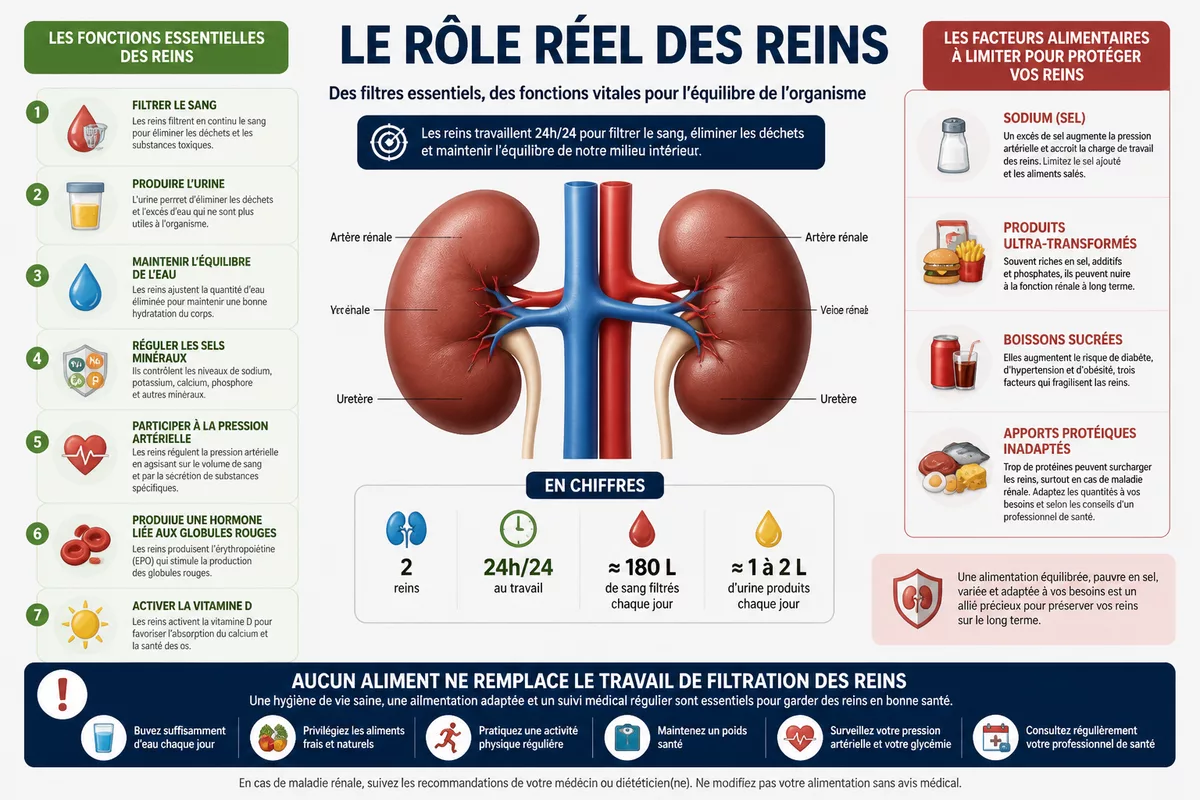
The kidneys are organs that filter the blood, produce urine, and participate in the balance of water, minerals, and blood pressure. They also play a role in producing a hormone related to red blood cells and in activating vitamin D. Their function therefore depends on many factors, not on a single food.
A diet favorable to the kidneys mainly aims to limit excesses that could increase their workload: sodium, ultra-processed products, sugary drinks, and inappropriate protein intake. Diet can also help control hypertension and diabetes, two important factors in kidney degradation according to Health Insurance and the High Authority of Health.
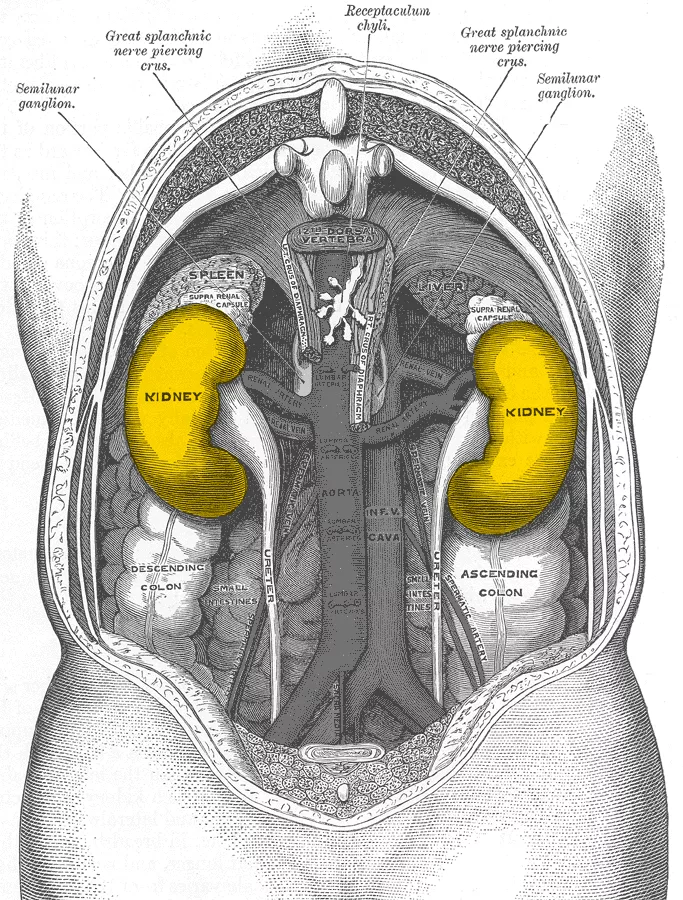
“No food can replace the filtering work performed by the kidneys nor repair kidney damage on its own.”
Should we really look for foods to cleanse the kidneys?
Foods to cleanse the kidneys is a popular expression, but it does not describe a recognized medical mechanism. In a healthy person, the kidneys naturally eliminate certain wastes through urine. A detox cure has not proven that it can remove “accumulated toxins” from functioning kidneys.

However, the term detox can refer to a more reasonable approach: cooking more, reducing alcohol, drinking according to thirst and health status, getting enough sleep, and limiting salt. This approach improves the overall quality of the diet without promising a quick cleanse. Products presented as detoxifying may contain plants or mineral doses that are inappropriate.
People with kidney disease should not suddenly increase their consumption of water, juice, or potassium-rich fruits without professional advice. Fluid restriction, hyperkalemia, or kidney failure completely change the recommendations.
What are the 12 foods good for the kidneys?
The following 12 foods can find their place in a varied diet, but they do not constitute a dietary prescription. The portion, frequency, and preparation matter as much as the chosen food. In case of kidney disease, the doctor or dietitian specifically adjusts potassium, phosphorus, salt, proteins, and fluids.

1. Water-rich fruits
Watermelon, peach, pear, or grape provide water and carbohydrates in a form generally less processed than a sugary drink. These fruits can replace a very sweet dessert or an industrial snack. They should not be consumed in large quantities solely to increase diuresis.
Whole fruits remain preferable to juices, as they retain more fiber and are consumed more slowly. People with kidney failure should ask if the amount of potassium and fluid is suitable for them.
2. Green vegetables
Green beans, lettuce, cabbage, or certain salads provide fiber and micronutrients while replacing very salty side dishes. A diet rich in plant foods is generally associated with a better nutritional profile, but not all vegetables are equally suitable for a person with hyperkalemia.
Spinach, Swiss chard, and some concentrated preparations can provide a lot of potassium. Cooking in water, with elimination of the cooking water, can sometimes be proposed in a medical context, but this method should not be applied automatically.
3. Berries
Blueberries, strawberries, raspberries, and blackberries contain fiber and plant compounds, notably polyphenols. Fresh or frozen berries without added sugar can enhance plain yogurt or porridge. Their interest lies mainly in their place in a balanced diet, not in a demonstrated kidney cleansing effect.
To explore this food family further, you can consult our article on foods rich in polyphenols. Concentrated supplements are not equivalent to foods and deserve medical advice if under treatment.
4. Garlic
Garlic flavors dishes and can help reduce the use of salt, bouillon cubes, and industrial sauces. Its benefit for the kidneys is therefore mainly indirect: more aromatic cooking facilitates a less salty diet. The evidence does not support presenting it as a treatment for kidney failure.
Garlic in food amounts is different from a highly dosed supplement. Supplements can interact with certain treatments, especially those that influence coagulation, and must be reported to the healthcare professional.
5. Onion
Onion adds flavor, fiber, and sulfur compounds. Raw, cooked, or integrated into a low-salt homemade soup, it helps build tastier meals without increasing salt. However, onion does not replace management of hypertension or kidney disease.
People sensitive on the digestive level may prefer a small cooked amount. Digestive tolerance matters more than seeking an assumed detox effect.
6. Cauliflower
Cauliflower can replace part of the potatoes, cold cuts, or very salty side dishes. It can be prepared in the oven, steamed, or mashed, with herbs and vegetable oil. This substitution sometimes reduces the energy density of the meal, without imposing an extreme restriction.
Recommendations must be individualized in case of advanced kidney failure. The potassium content of the entire meal, not just one vegetable, guides choices.
7. Apples
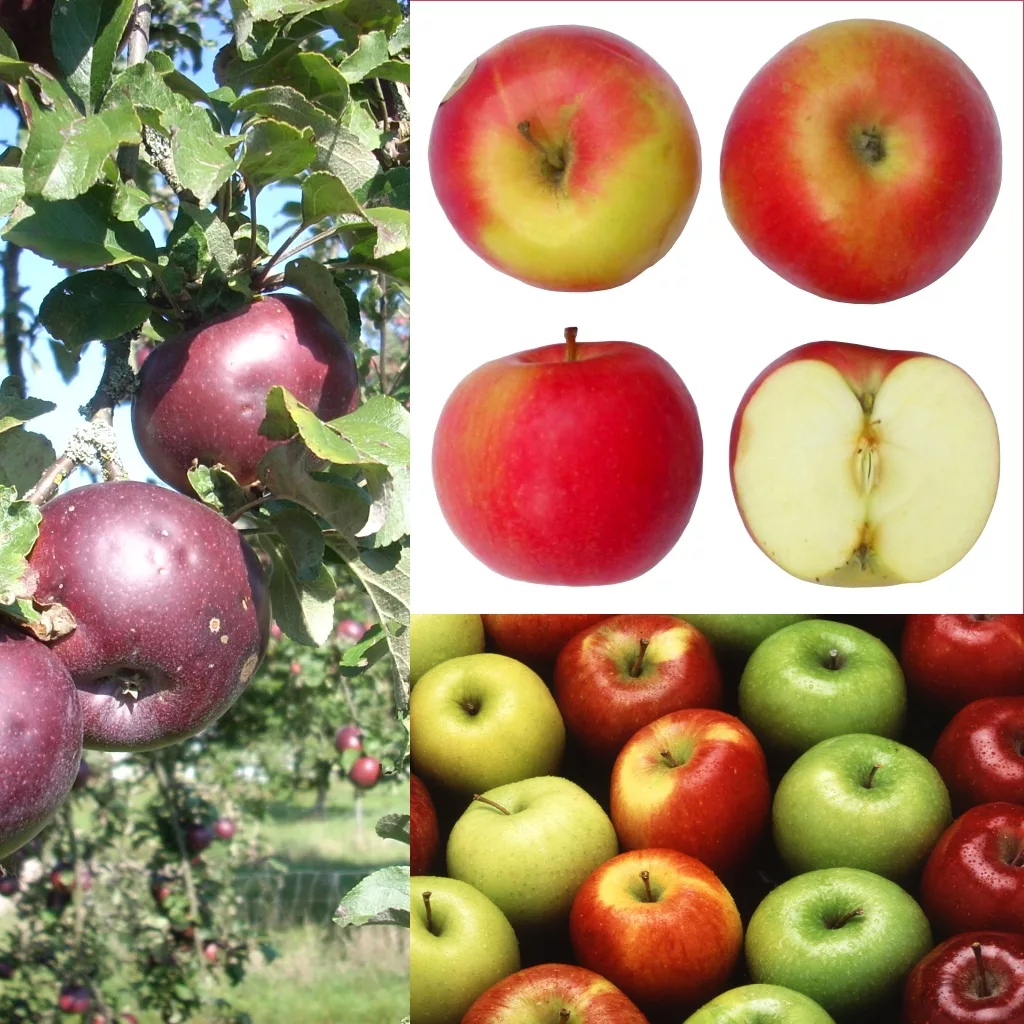
Apple is a practical option to replace a pastry or a sugary drink. It provides fiber and is easy to carry. A whole apple generally satiates more than apple juice, which concentrates sugar and provides less fiber.
Fruits should be distributed throughout the day according to needs. In case of kidney disease, the number of portions can be adjusted according to tests and dietitian recommendations.
8. Lemon
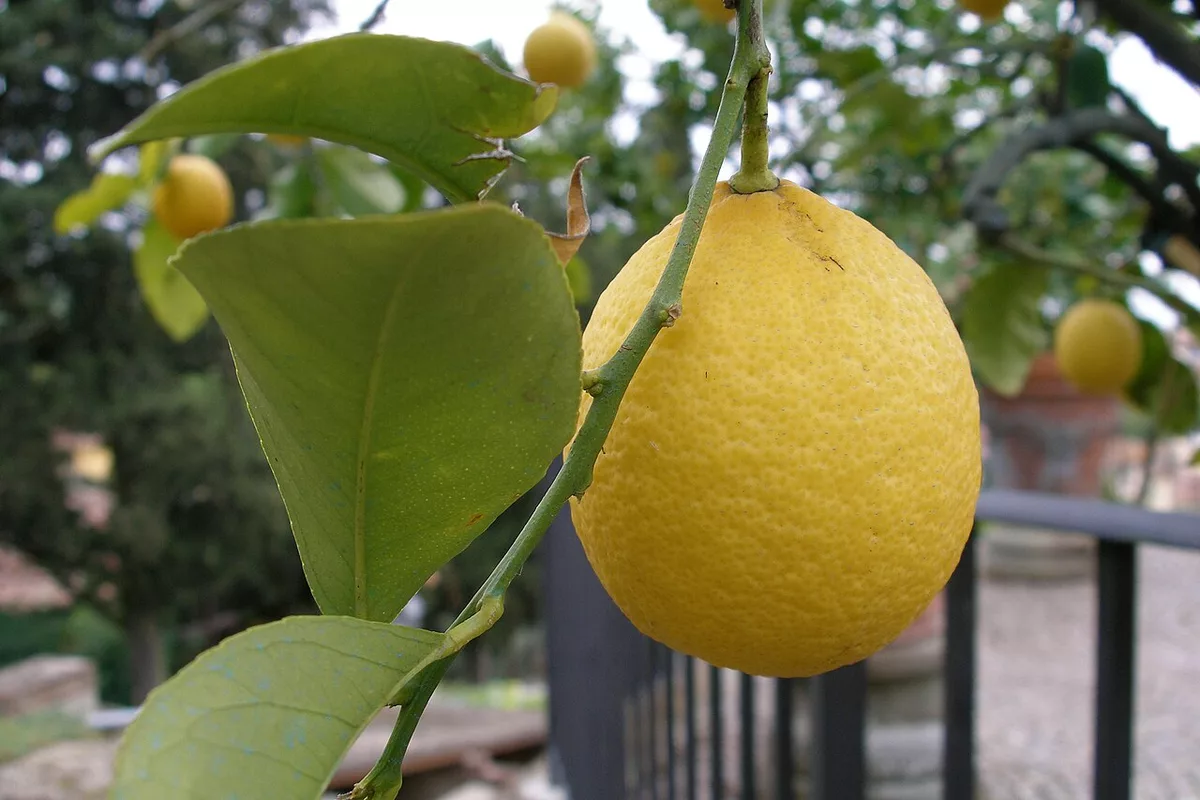
Lemon can make water more pleasant and help some people drink regularly. The citrate present in citrus fruits is studied in the prevention of certain urinary stones, but the effect depends on the type of stone, urine volume, and medical condition. Lemon does not dissolve all stones.
Lemon water should not be confused with a detox cure. The acidity can also promote dental sensitivity or digestive burns in some people.
9. Cucumber
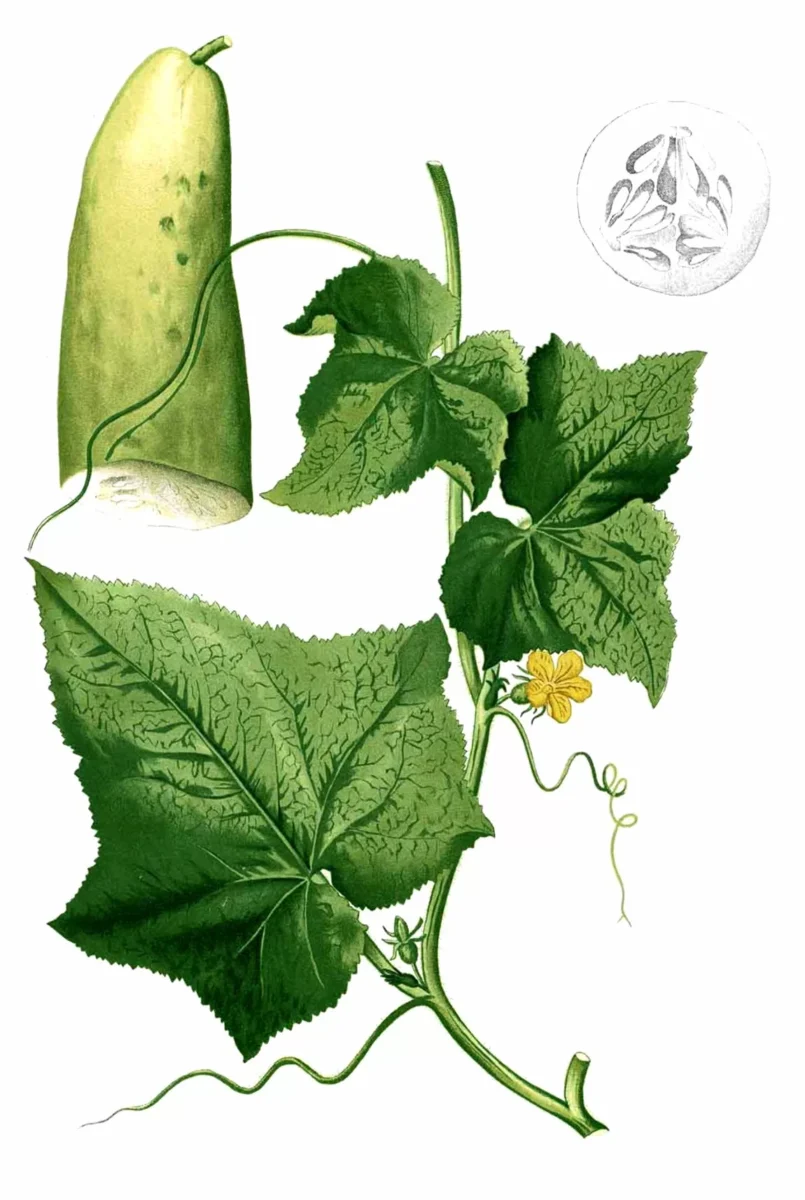
Cucumber contains a lot of water and can replace an industrial or very salty starter. It easily fits into a salad with herbs, vinegar, and a small amount of oil. Its interest lies in being a minimally processed food, not a “draining” agent capable of purifying the kidneys.
People who have been prescribed fluid restrictions by a doctor must count foods very rich in water in their daily planning. Excessive consumption can be problematic in certain kidney or heart failures.
10. Whole grains in appropriate amounts
Oats, whole wheat bread, brown rice, or barley provide fiber and can contribute to a more filling diet. They are particularly interesting when they replace refined products accompanied by sauces, deli meats, or salt.
Whole grains are not automatically suitable for all stages of kidney disease. Their phosphorus and potassium content, as well as the overall composition of the meal, may require adjustments.
11. Quality vegetable oils
Olive oil or canola oil allows preparing foods without resorting to very salty sauces. A small amount is enough to dress a salad or gently cook a food. These oils provide lipids, but they remain energy-dense: pouring them without measuring can quickly increase calorie intake.
The choice of oil is less important than the total amount of fat, the overall quality of meals, and limiting fried or ultra-processed products.
12. Water, according to the body’s needs
Water participates in urine formation and helps prevent dehydration. For most healthy adults, drinking regularly according to thirst is more relevant than forcing large volumes. The necessary amount varies with heat, activity, diet, age, and health status.
More abundant urine is not proof that the kidneys are better “cleaned.” A person suffering from kidney failure, heart failure, or monitored for an electrolyte disorder must follow the instructions of their medical team.
| Food or family | Practical interest | Point of caution |
|---|---|---|
| Whole fruits | Fiber, minimally processed snack | Potassium and quantity to adjust in case of kidney disease |
| Vegetables | Fiber, variety and replacement for salty side dishes | Some are high in potassium |
| Berries | Minimally processed fruits, no added sugar | Avoid very sugary preparations |
| Garlic and onion | Add flavor with less salt | Caution with concentrated supplements |
| Whole grains | Fiber and satiety | Phosphorus and potassium to consider depending on kidney stage |
| Water | Hydration adapted to needs | Do not force volumes in case of fluid restriction |
Which foods to limit to protect the kidneys?
Limiting certain foods does not mean eliminating an entire category without reason. The goal is mainly to reduce repeated excesses of sodium, sugar, alcohol, and highly processed products. Recommendations become more specific when the kidneys filter less well or when tests show an imbalance of potassium or phosphorus.
- Cold cuts, prepared dishes, and industrial soups: they can provide a lot of sodium in small amounts.
- Chips, snack biscuits, and ready-made sauces: they often combine salt, fats, and additives.
- Sweetened drinks and excess juice: they increase sugar intake without providing the fiber of a whole fruit.
- Alcohol: it can promote dehydration and complicate blood pressure control.
- Detox supplements and diuretic plants: their composition and interactions are not always suitable for your treatment.
Salt deserves particular attention, as high consumption promotes hypertension in many people. The World Health Organization recommends adults limit dietary sodium, but the exact target and its application must take into account habits, consumed products, and medical situation.
“For the kidneys, the regularity of a less salty diet generally matters more than a detox cure of a few days.”
How to compose a typical kidney-friendly day?
A kidney-adapted day of eating is based on simple meals, minimally processed and reasonably salted. The model below is a general example, not a medical menu: a person with kidney failure, diabetes, or fluid restriction must have it adapted.
- At breakfast: choose a low-sugar cereal, a whole fruit, and a usual drink, without adding a detox supplement.
- At lunch: fill part of the plate with vegetables, add an appropriate portion of starch, and a protein source according to needs.
- At snack time: favor a whole fruit or a minimally processed option rather than juice or a sweetened drink.
- At dinner: prepare a homemade dish with garlic, onion, herbs, spices, and a small amount of oil to reduce salt.
- During the day: drink according to thirst and medical instructions, without trying to reach a forced volume.
The composition of a meal can be adjusted based on blood tests, blood pressure, weight, physical activity, and medications. A day very rich in fruits, juices, or vegetables is not necessarily suitable for a person who must limit potassium.
What common mistakes should be avoided with kidney detox?
Promises of kidney detox often mix a good idea — eating more simply — with unnecessary or risky practices. Here are the most common pitfalls and how to avoid them.
- Drinking several liters of water without guidance: excess can disrupt the balance of water and sodium. Drink according to your thirst or the instructions given.
- Replacing meals with juices: juices provide less fiber and can concentrate sugars. Prefer whole fruits and complete meals.
- Taking a “draining” plant with a treatment: a plant can alter hydration or interact with medication. Seek advice before any course.
- Eliminating all proteins: excessive restriction can lead to insufficient intake. The amount depends on age, kidney function, and nutritional status.
- Confusing weight loss with cleansing: rapid loss may mainly correspond to water or calorie loss, without demonstrated improvement of the kidneys.
How do kidney-friendly foods compare to juice cleanses and supplements?
A varied diet generally presents fewer risks than a restrictive cleanse, as it provides fiber, protein, and energy in more balanced proportions. Juice cleanses and supplements may seem faster, but their kidney benefits are not established and their risks depend on composition, duration, and individual conditions.
| Option | For what use? | Main limitation |
|---|---|---|
| Varied and low-salt diet | Improve habits over time | Requires adjustments in case of kidney disease |
| Juice cleanse | Temporarily replace meals | Low fiber, concentrated sugars, risk of imbalance |
| Detox supplement | Provide concentrated plants or micronutrients | Interactions and sometimes inappropriate composition |
| Dietitian advice | Adapt intake to tests and treatment | Requires individual evaluation |
To support kidney health, daily nutrition is therefore preferable to a one-time cleanse. Supplements should not be used to treat a disease or replace prescribed treatment.
When should you seek medical advice for your kidneys?
A consultation is necessary if a symptom suggests a urinary or kidney problem, especially when it is new, intense, or associated with a risk factor. Prompt care is particularly important in case of sudden decrease in urine, visible blood in urine, intense lower back pain with fever, or difficulty breathing.
Call local emergency services, for example 112 in Europe, in case of confusion, significant malaise, marked shortness of breath, sudden swelling with respiratory distress, inability to drink with repeated vomiting, or severe pain accompanied by a deterioration of general condition.
- Consult quickly in case of blood in urine, burning urination with fever, persistent flank or lower back pain, or unusual decrease in urine output.
- Seek advice without changing your diet alone if you have known kidney disease, recurrent stones, hypertension, diabetes, or cardiovascular disease.
- Ask for advice before a cleanse in case of pregnancy, breastfeeding, childhood, old age, dehydration, or regular treatment.
- Report current medications, especially diuretics, certain antihypertensives, nonsteroidal anti-inflammatory drugs, and treatments that may alter potassium or hydration.
Kidney symptoms can be subtle, and chronic kidney disease may progress for a long time without obvious signs. Screening relies notably on medical evaluation, blood pressure measurement, and tests prescribed according to the context.
Key Takeaways
- 🥗 A varied diet supports the kidneys, without promising cleansing or regeneration.
- 🧂 Reducing very salty products is more useful than occasional detox cures.
- 💧 Excessive drinking can be dangerous when the kidneys or heart are functioning poorly.
- ⚠️ Potassium, phosphorus, proteins, and fluids sometimes require medical adjustment.
- 🚑 A sudden drop in urine, blood, or pain with fever requires prompt medical advice.
Frequently Asked Questions
Which food really cleans the kidneys?
No food cleans the kidneys in the medical sense of the term. Fruits, vegetables, whole grains, and vegetable oils can be part of a favorable diet, but they do not replace either the natural functioning of the kidneys or a treatment.
Is drinking lemon water good for the kidneys?
Lemon water can help make hydration more pleasant. Citrus citrate can play a role in some cases of kidney stones, but the effect depends on the type of stone and does not justify intensive treatment.
Are detox juices recommended in case of fatigue?
Detox juices are not necessary to eliminate toxins and can concentrate sugars while providing less fiber than a whole fruit. Persistent fatigue deserves investigation with a healthcare professional rather than a restrictive cure.
Which foods should be avoided in case of kidney failure?
The answer depends on the stage of kidney failure and test results. Salt, highly processed products, and certain supplements can pose problems, while potassium, phosphorus, proteins, and fluids sometimes need to be individually adjusted.
When to consult for kidney pain?
Severe or persistent pain, especially with fever, vomiting, blood in the urine, decreased urine output, or malaise, requires prompt medical advice. Difficulty breathing, confusion, or significant deterioration of general condition justifies calling local emergency services.
Useful Sources to Consult
Health Insurance: general information on chronic kidney disease, its risk factors, and screening. This data helps distinguish a simple dietary question from a situation requiring medical follow-up.

High Authority of Health: recommendations regarding the management of chronic kidney disease and associated cardiovascular factors. These recommendations should be applied with a professional according to test results.
World Health Organization: public health guidelines on sodium and diet. General objectives do not replace a prescription adapted to kidney or heart failure.
National Agency for Food, Environmental and Occupational Health Safety: dietary guidelines and caution regarding supplements and plant-based products. The composition of a product must be checked before any use.
(function(){
var ov=document.getElementById(‘magic-lb’);if(!ov)return;
var img=ov.querySelector(‘img’),btn=ov.querySelector(‘.magic-lb-close’);
function open(src){img.src=src;ov.classList.add(‘open’);document.body.style.overflow=’hidden’}
function close(){ov.classList.remove(‘open’);img.src=”;document.body.style.overflow=”}
document.addEventListener(‘click’,function(e){
var a=e.target.closest(‘a.magic-img-link’);
if(a){e.preventDefault();open(a.getAttribute(‘href’));return}
var i=e.target.closest(‘.wp-block-image img’);
if(i&&!e.target.closest(‘a’)){e.preventDefault();open(i.currentSrc||i.src)}
});
ov.addEventListener(‘click’,function(e){if(e.target===ov||e.target===btn)close()});
document.addEventListener(‘keydown’,function(e){if(e.key===’Escape’)close()});
})();
